
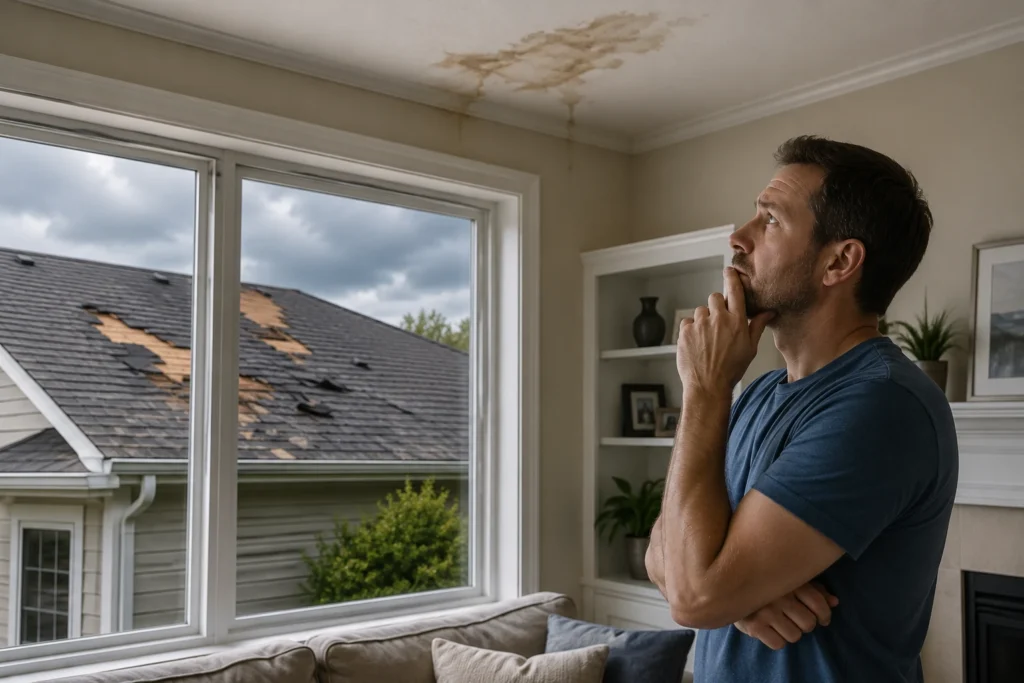
Storms come and go, but the decisions you make afterward can affect your home for years. What happens if you delay a roof claim is a question many homeowners ask after spotting a few missing shingles or a small ceiling stain. It might seem harmless to wait a few weeks or even a few months before contacting your insurance company, especially if the damage doesn’t appear urgent. Unfortunately, delaying action often creates bigger problems than the storm itself. For homeowners in Euless, where severe weather can arrive with little warning, understanding the consequences of waiting is one of the smartest ways to protect both your home and your finances.
Most people don’t delay a roof claim because they’re careless. They wait because life gets busy. Between work, family responsibilities, and everyday commitments, a roof inspection may not seem like a top priority. Some homeowners also hope the problem will simply disappear. Others worry about deductibles, claim denials, or premium increases. Those concerns are understandable, but delaying the process can weaken your claim and increase repair costs in ways many people never expect.
Insurance companies rely on evidence. They want to see when the damage occurred, what caused it, and whether additional deterioration happened because repairs were postponed. Every passing day makes those questions harder to answer. Rain, wind, sunlight, and changing temperatures continue affecting an already damaged roof, making it increasingly difficult to separate the original storm damage from newer issues. That’s why understanding what happens if you delay a roof claim is so important. Acting quickly doesn’t simply improve your chances of receiving fair compensation. It also helps preserve valuable evidence, limits additional property damage, and speeds up the entire claims process. Waiting almost never makes the situation easier.
This guide explains exactly why timing matters. You’ll learn how delayed claims affect insurance investigations, what hidden damage can develop beneath your roof, how insurance adjusters evaluate late claims, and what steps you should take if you’ve already waited longer than you intended. A little knowledge today could save thousands of dollars tomorrow.
Why Homeowners Delay Roof Insurance Claims
Homeowners rarely ignore roof damage on purpose. Instead, several common situations convince people that waiting is the safer or easier option. Unfortunately, those assumptions often backfire.
Waiting to See if the Damage Gets Worse
One missing shingle doesn’t seem alarming. Neither does a tiny water stain in the corner of the ceiling. Because the damage appears minor, many homeowners decide to “keep an eye on it.” Weeks pass. Then another storm rolls through. Suddenly, that small issue becomes an expensive repair involving insulation, drywall, and even structural framing.
Roof damage doesn’t pause while you decide what to do. It continues changing every time it rains, every time the wind blows, and every time the sun heats damaged materials. Small problems almost always become larger ones.
Uncertainty About Insurance Coverage
Insurance policies can be confusing. Many homeowners simply aren’t sure whether storm damage is covered, especially when the roof isn’t leaking immediately. Questions begin piling up:
- Will insurance pay?
- Will my deductible be too high?
- Will filing increase my premiums?
- Is the damage serious enough?
Instead of finding answers, some homeowners choose to wait. Unfortunately, uncertainty doesn’t stop deterioration. A professional inspection provides clarity long before major repairs become necessary.
Busy Schedules Get in the Way
Life moves fast. Children have activities. Work deadlines pile up. Vacations get planned. Home maintenance slips lower on the priority list. Roof damage often becomes one of those projects homeowners promise themselves they’ll handle “next weekend.” Then months pass. Meanwhile, moisture quietly enters the roofing system, insulation begins absorbing water, and wooden decking slowly weakens beneath the surface. By the time visible leaks appear, extensive hidden damage may already exist.
What Happens If You Delay a Roof Claim?
Simply put, delaying changes everything. Insurance claims become harder to document. Repair costs increase. Evidence disappears. The entire process becomes more complicated than it needed to be. Let’s examine why.
Insurance Companies May Question the Cause of Damage
Insurance companies investigate cause just as carefully as they investigate damage. Imagine a hailstorm strikes your neighborhood in March, but you don’t file your claim until September. During those six months, your roof experiences additional rainstorms, high winds, summer heat, and normal aging. When an adjuster arrives, determining exactly which storm caused each damaged area becomes much more difficult.
That’s where disagreements begin. The insurance company may argue that some deterioration occurred after the original storm or resulted from ordinary wear rather than a covered weather event. The longer the delay, the more complicated that conversation becomes.
Evidence Can Disappear Over Time
Roof damage isn’t frozen in place. Nature keeps working. Wind blows away broken shingles. Rain washes dirt across impact marks. Sunlight fades bruising caused by hail. Temporary repairs may accidentally cover important evidence before adjusters ever inspect the property. Even neighboring trees can continue dropping branches that alter the appearance of the original damage. Preserving evidence quickly gives both homeowners and insurance companies a much clearer picture of what actually happened.
Hidden Water Damage Continues to Spread
Visible roof damage is only part of the story. The real danger often remains hidden inside the home. Water enters through tiny openings that seem insignificant at first. Once inside, it follows framing, insulation, electrical pathways, and drywall before finally appearing somewhere completely different from the original roof damage. That creates surprises.
What looked like a simple roof repair can evolve into repairs involving:
- Ceiling replacement
- Drywall repairs
- Flooring damage
- Insulation replacement
- Interior painting
- Electrical inspections
- Mold remediation
Water rarely stays where it first enters. Instead, it keeps moving.
Moisture Creates Expensive Secondary Damage
Secondary damage is one of the biggest financial risks associated with delayed claims. Insurance companies generally expect homeowners to take reasonable steps to prevent additional damage after discovering a problem. If moisture continues entering the home because repairs or temporary protection were delayed, some of those additional costs may become disputed during the claims process. The longer water remains inside the structure, the more materials become affected.
Here’s how damage often progresses:
| Time After Damage | Possible Consequences |
| First few days | Damp insulation and minor leaks |
| Several weeks | Ceiling stains and drywall softening |
| One to three months | Wood deterioration and mold growth |
| Several months | Structural repairs and widespread interior damage |
Early action limits those risks considerably.
Your Insurance Policy May Have Reporting Deadlines
Many homeowners assume they can file a roof claim whenever it’s convenient. That’s not always true. While policies vary, most insurance contracts require prompt notification after discovering damage. Some states establish legal filing deadlines, while insurance companies often include additional reporting requirements within the policy itself. Ignoring those timelines can complicate an otherwise straightforward claim.
Why Timing Matters
Prompt reporting allows insurance companies to:
- Inspect fresh damage
- Compare storm dates accurately
- Verify weather conditions
- Document roof conditions before further deterioration occurs
- Evaluate repair needs more efficiently
Delayed reporting removes much of that clarity. Instead of focusing only on storm damage, adjusters may spend significant time determining what happened during the delay. That slows everything down.
Documentation Becomes More Difficult
Every month that passes makes supporting documentation slightly weaker. Neighbors replace roofs. Storm debris disappears. Photos become outdated. Maintenance records become harder to locate. Contractors may no longer remember earlier inspections. A timely claim creates a much stronger documentation trail.
Professional Inspections Carry More Weight Early
Roof inspectors don’t simply identify damaged shingles.
They document:
- Storm impacts
- Wind patterns
- Hail strikes
- Flashing damage
- Vent damage
- Ridge cap movement
- Moisture intrusion
When inspections occur soon after severe weather, their findings provide much stronger support during insurance negotiations. Waiting months introduces uncertainty that simply didn’t need to exist.
Interestingly, delayed evaluation in complex systems resembles the concept of hysteresis, where the current condition depends not only on present circumstances but also on past events. Roof damage behaves similarly the longer changes continue without documentation, the harder it becomes to accurately reconstruct the original event.
Delaying Repairs Can Increase Overall Damage
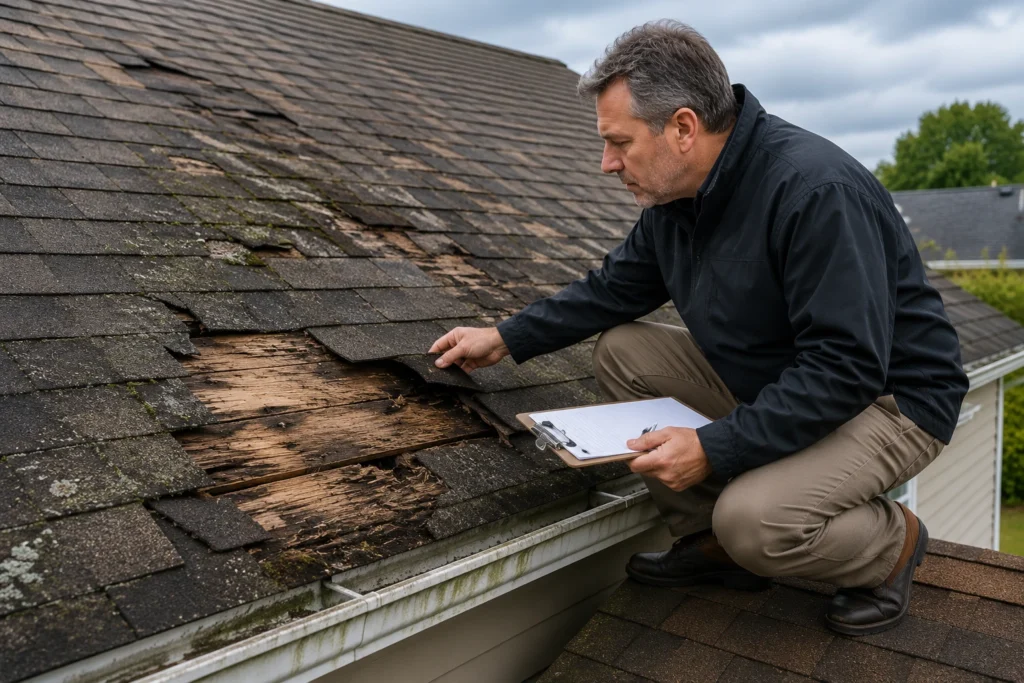
Waiting doesn’t save money. It usually does the opposite. Roof systems are designed to work together. When one component fails, nearby materials often become vulnerable as well. A loose shingle exposes underlayment. Damaged underlayment exposes roof decking. Compromised decking allows moisture deeper into the structure. The repair grows larger step by step.
Small Roof Problems Become Major Repairs
Consider these examples:
| Initial Problem | Potential Result if Delayed |
| Missing shingles | Water intrusion beneath roofing system |
| Bent flashing | Interior wall leaks |
| Minor hail damage | Granule loss and accelerated aging |
| Lifted ridge caps | Wind-driven rain penetration |
| Small puncture | Rotting roof decking |
Each issue starts small. None of them stay that way forever.
Mold Growth Can Become a Serious Issue
Moisture creates ideal conditions for mold. Once mold begins spreading inside insulation, wall cavities, or attic spaces, cleanup becomes significantly more expensive than addressing the original roof problem.
Professional remediation may involve:
- Removing drywall
- Replacing insulation
- Treating structural framing
- Improving ventilation
- Air quality testing
Those costs often far exceed the price of repairing the roof immediately after the storm.
Interior Damage Frequently Costs More Than the Roof
Many homeowners focus only on shingles. Insurance companies look at the entire structure.
A delayed roof claim can eventually involve repairs to:
- Ceilings
- Walls
- Flooring
- Cabinets
- Furniture
- Personal belongings
- Electrical systems
The roof may have started the problem. The interior often becomes the most expensive part of the claim. Understanding what happens if you delay a roof claim means recognizing that the roof is only the beginning. The longer damage remains untreated, the more opportunities water has to spread throughout your home, increasing repair costs, extending restoration timelines, and making the insurance process far more challenging than it needed to be.
How Insurance Companies Evaluate Delayed Roof Claims
When you file a claim weeks or months after a storm, the insurance company doesn’t automatically reject it. However, the investigation often becomes much more detailed. Adjusters need to determine whether the damage was caused by the reported weather event or whether time, neglect, or normal aging contributed to the condition of the roof. That doesn’t mean you’re out of options. It simply means you’ll need stronger documentation to support your claim.
Looking for Signs of Neglect
Insurance policies generally cover sudden, accidental damage not ongoing maintenance issues. During an inspection, an adjuster may look for evidence that suggests the roof continued deteriorating because repairs were postponed.
Common indicators include:
- Long-term water staining
- Rotting roof decking
- Mold growth
- Multiple layers of weather exposure
- Aging materials unrelated to the reported storm
The goal isn’t to assign blame. Instead, it’s to determine which damage falls within the policy’s coverage.
Comparing Storm Dates
Insurance companies frequently compare your reported loss date with weather records for your area.
They may review:
- Hail reports
- Wind speed data
- Severe thunderstorm warnings
- Radar history
- Local weather service documentation
If your claim aligns with verified storm activity, it strengthens your position. If several major storms occurred before you reported the damage, separating one event from another becomes more challenging.
Reviewing Maintenance History
A well-maintained roof tells an important story. Keeping records of inspections, repairs, and routine maintenance demonstrates that you’ve taken reasonable care of your property. Those records can help distinguish sudden storm damage from normal wear and tear.
Helpful documents include:
| Documentation | Why It Helps |
| Annual roof inspections | Shows previous roof condition |
| Repair invoices | Demonstrates maintenance history |
| Before-and-after photos | Confirms recent damage |
| Contractor reports | Supports professional findings |
Financial Consequences of Waiting Too Long
Delaying a roof claim rarely saves money. More often, it creates additional expenses that homeowners didn’t anticipate. Some of those costs come directly from repairs. Others arise during the insurance process itself.
Higher Out-of-Pocket Expenses
The longer damage remains unrepaired, the more extensive restoration usually becomes.
Instead of replacing a handful of shingles, you may eventually need repairs involving:
- Roof decking
- Insulation
- Interior drywall
- Flooring
- Paint
- Electrical components
Those additional repairs can significantly increase your personal costs, especially if portions of the damage are no longer considered part of the original covered event.
Increased Repair Costs
Construction costs rarely move in one direction. Material prices fluctuate. Labor costs change. Contractor availability varies throughout the year. Waiting several months could mean paying substantially more for the same repair than you would have immediately after the storm.
Partial Claim Denials
Many delayed claims aren’t denied entirely.
Instead, insurers may approve coverage for the original storm damage while disputing damage they believe occurred afterward.
That distinction can leave homeowners responsible for thousands of dollars in repairs they assumed would be covered.
Complete Claim Denials
Although not every delayed claim is rejected, lengthy delays sometimes make it impossible to prove the original cause of damage. Without sufficient evidence, the insurance company may conclude that deterioration resulted primarily from age or lack of maintenance rather than a covered storm event. Documentation becomes your strongest defense.
Can You Still File a Roof Claim Months Later?
Yes. Many homeowners successfully file claims months after discovering roof damage. However, success depends on several important factors.
Situations Where Late Claims May Still Be Approved
A delayed claim may still be successful when:
- The policy deadline hasn’t expired.
- Storm damage can still be clearly documented.
- Weather records support the reported loss.
- Professional inspections identify covered damage.
- The homeowner acted reasonably after discovering the issue.
Every claim is unique.
When Delayed Claims Become More Difficult
Certain situations make approval less likely.
Examples include:
- Extensive additional deterioration
- Missing documentation
- Previous unrepaired damage
- Multiple storms affecting the property
- Lack of maintenance records
These situations don’t automatically prevent recovery, but they often require much stronger evidence.
The Importance of Immediate Roof Inspections
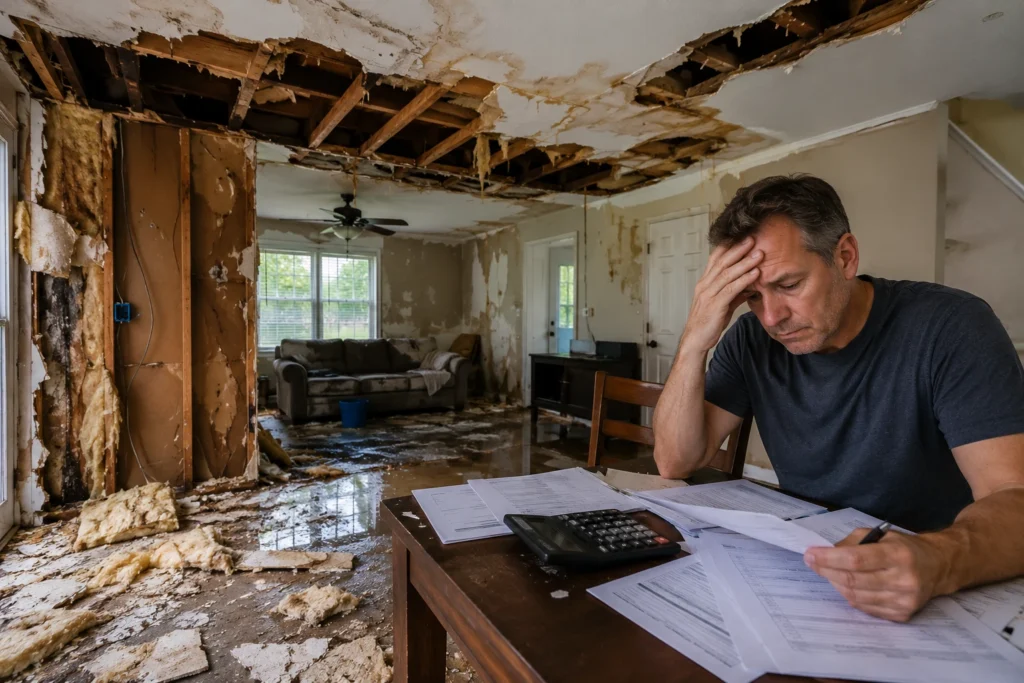
One inspection can make a tremendous difference. Professional roof inspectors document damage before evidence begins disappearing. Their reports provide objective observations that strengthen insurance claims while helping homeowners understand the true condition of their roof.
Why Documentation Matters
An inspection should include:
- High-resolution photographs
- Drone imagery when appropriate
- Moisture readings
- Written damage assessments
- Recommendations for temporary protection
The more complete the documentation, the easier it becomes to demonstrate what occurred.
Temporary Repairs Protect Your Home
Insurance companies generally encourage homeowners to prevent additional damage after a storm.
Temporary measures might include:
- Covering exposed areas with tarps
- Removing loose debris
- Protecting interior belongings
- Controlling active leaks
These actions don’t replace permanent repairs.
They simply help minimize further damage while the claim moves forward.
Common Mistakes Homeowners Make After Storm Damage
Good intentions sometimes lead to costly mistakes.
Avoid these common errors whenever possible.
- Waiting until a leak appears.
- Assuming cosmetic damage doesn’t matter.
- Throwing away damaged roofing materials.
- Making permanent repairs before documentation.
- Forgetting to photograph every affected area.
- Ignoring gutters, flashing, and roof vents.
- Waiting months before contacting professionals.
Each mistake reduces valuable evidence that could support your claim later.
What to Do If You’ve Already Delayed Your Roof Claim
If you’ve waited longer than you planned, don’t panic. You can still take meaningful steps that strengthen your position.
Schedule a Roof Inspection Immediately
Professional inspections establish the roof’s current condition while documenting any remaining storm-related damage. Don’t wait any longer.
Gather Supporting Records
Collect everything available, including:
- Previous inspection reports
- Maintenance invoices
- Repair receipts
- Weather reports
- Photographs
- Insurance policy documents
The more organized your records become, the smoother the claim process typically is.
Photograph Current Conditions
Even if months have passed, today’s photographs still provide useful evidence.
Capture:
- Roof surfaces
- Flashing
- Gutters
- Ceiling stains
- Attic damage
- Exterior elevations
Take clear, well-lit images from multiple angles whenever possible.
How a Public Adjuster Can Help With Delayed Claims
Delayed claims often involve more questions than standard claims. That’s where experienced public adjusters can provide valuable assistance. Unlike insurance company adjusters, public adjusters work on behalf of policyholders. They help evaluate damage, organize documentation, and negotiate with insurers throughout the claims process.
Interestingly, many homeowners researching delayed roof claims also search for resources like Fire Insurance Adjuster How to Maximize Your Claim, because the underlying principle remains the same strong documentation and timely action often have a significant impact on the final settlement.
Services a Public Adjuster May Provide
A public adjuster can assist by:
- Reviewing insurance policies
- Preparing detailed damage estimates
- Coordinating inspections
- Organizing claim documentation
- Negotiating claim settlements
- Identifying overlooked damage
Professional guidance often becomes especially valuable when questions arise regarding delayed reporting.
Tips to Avoid Roof Claim Problems in the Future
Preparation today reduces stress tomorrow. Consider adopting these habits:
Schedule Regular Roof Inspections
Annual inspections identify developing issues before severe weather turns them into expensive repairs.
Inspect After Every Major Storm
You don’t need to climb onto the roof yourself.
Instead:
- Walk around the property.
- Look for missing shingles.
- Check gutters for roofing granules.
- Inspect ceilings for stains.
- Photograph anything unusual.
Small observations today can prevent major surprises later.
Keep Organized Records
Create a dedicated folder containing:
- Roof installation documents
- Inspection reports
- Repair invoices
- Warranty information
- Annual photographs
These records become incredibly valuable if you ever need to file another claim.
Understand Your Insurance Policy
Don’t wait until after a storm to learn what your policy covers.
Review:
| Policy Item | Why It Matters |
| Deductible | Determines out-of-pocket costs |
| Reporting requirements | Affects filing deadlines |
| Covered perils | Clarifies eligible damage |
| Exclusions | Prevents surprises |
| Loss mitigation duties | Explains homeowner responsibilities |
Knowing these details before disaster strikes puts you in a much stronger position.
Why Fast Action Protects Your Home and Your Finances
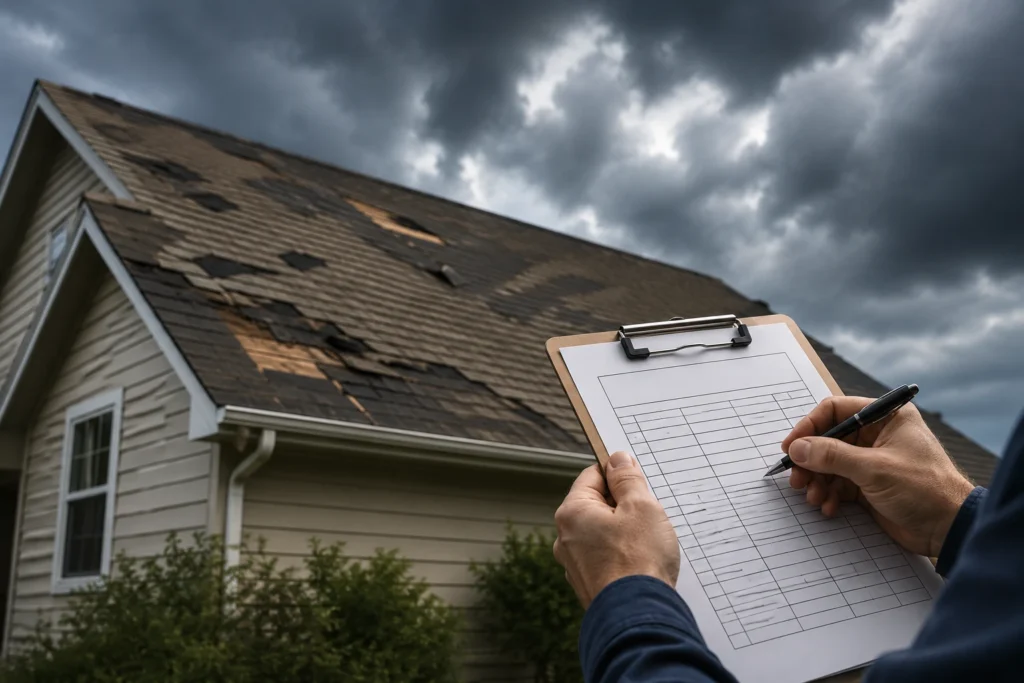
The biggest lesson is surprisingly simple. Roof damage almost never improves with time. Waiting allows moisture to spread, evidence to disappear, repair costs to climb, and insurance investigations to become more complicated. Quick inspections preserve valuable information while helping homeowners make informed decisions before problems escalate.
For homeowners throughout Euless, acting promptly after severe weather can mean the difference between a straightforward insurance claim and months of unnecessary frustration. Even if the roof appears to have escaped major damage, a professional inspection provides peace of mind and catches hidden issues before they become expensive surprises. If you’ve ever wondered what happens if you delay a roof claim, the answer becomes clear after examining every stage of the process. Delays make documentation harder. They increase the likelihood of secondary damage. They may create coverage disputes that could have been avoided through timely reporting. Most importantly, they often lead to repair bills that are far higher than the original storm damage.
Final Thoughts
Every storm leaves behind uncertainty, but your response doesn’t have to. Understanding what happens if you delay a roof claim gives you the knowledge needed to protect both your property and your financial future. Rather than hoping minor damage will resolve itself, take action while evidence is still fresh and repairs remain manageable.
Whether you’re dealing with hail, wind, or heavy rain, prompt inspections, careful documentation, and timely communication with your insurance company create the strongest possible foundation for a successful claim. If you’ve already delayed, don’t assume it’s too late. Gather your records, schedule a professional inspection, and begin the process as soon as possible.
Homeowners in Euless who respond quickly after storm damage are often in a stronger position to resolve claims efficiently, reduce long-term repair costs, and restore their homes with confidence. Acting today could save substantial time, money, and stress tomorrow. And as you’ve seen throughout this guide, what happens if you delay a roof claim is rarely positive but taking the right steps now can still make a meaningful difference.
FAQs
Delaying a roof claim can make it harder to prove storm damage and may lead to higher repair costs or coverage disputes.
The deadline depends on your insurance policy and state laws, so review your policy and report damage as soon as possible.
Yes, but you’ll need strong documentation to show the damage resulted from the covered storm and not from ongoing deterioration.
It can. If the delay makes it difficult to determine the cause of damage, your insurer may reduce or deny coverage for some repairs.
You should only make temporary repairs to prevent further damage and wait for the insurance inspection before making permanent repairs whenever possible.
Take clear photos and videos, keep repair receipts, save maintenance records, and schedule a professional roof inspection.
Yes. Even minor roof damage can allow water into your home, leading to mold, wood rot, and costly interior repairs.
It depends on the cause. If a covered event like hail or wind caused the leak, it’s worth having the roof professionally inspected.
An inspection documents storm damage, identifies hidden issues, and provides evidence that can strengthen your insurance claim.
Yes. A public adjuster can assess the damage, organize documentation, and negotiate with the insurance company on your behalf.