
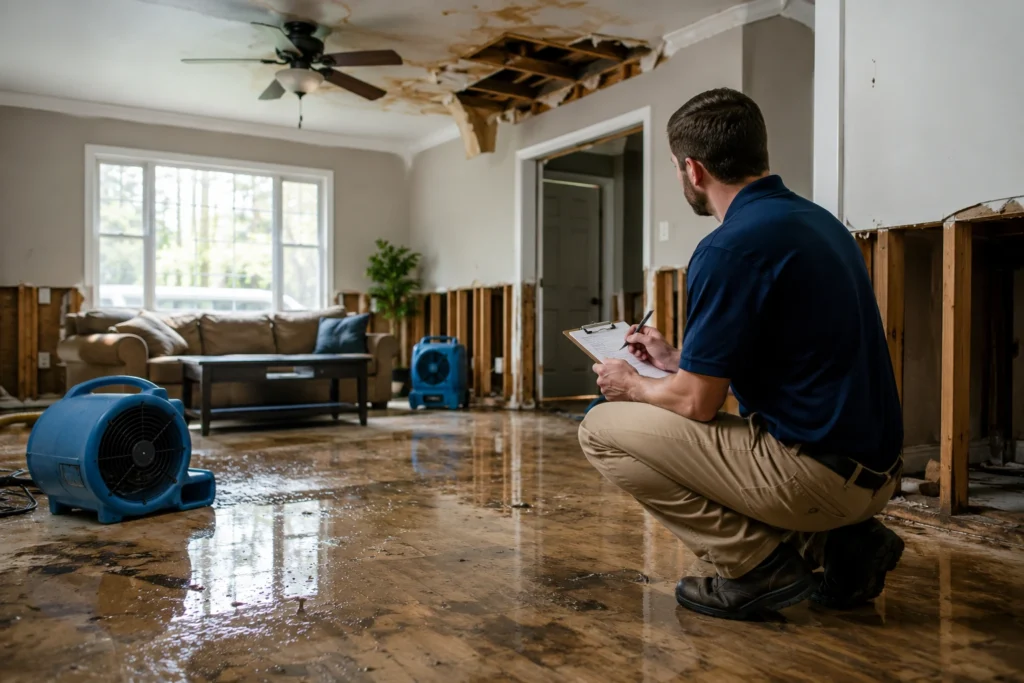
Water damage has a way of turning an ordinary day into a stressful one. A pipe bursts while you’re at work. A water heater fails overnight. Heavy rain finds its way through a damaged roof. Before long, you’re dealing with soaked drywall, warped flooring, damaged furniture, and the daunting task of filing an insurance claim. During situations like these, a Water Damage Public Adjuster can become one of your most valuable resources, helping you understand your policy and pursue a fair settlement. For homeowners and business owners in Euless, knowing how the claims process works before disaster strikes can save time, money, and unnecessary frustration.
Insurance claims are rarely as simple as filling out a few forms and waiting for payment. Every claim involves policy interpretation, damage documentation, inspections, estimates, and negotiations. Missing even one important detail can affect the amount you ultimately receive. That’s why many policyholders seek professional guidance when significant water damage occurs. The goal isn’t simply to repair the property it’s to ensure every covered loss is properly identified and valued.
Water intrusion also involves complex building science, including the movement of moisture through porous materials by capillary action. Understanding this principle explains why water often spreads behind walls, beneath flooring, and into structural components that appear completely unaffected on the surface. Hidden moisture is one of the biggest reasons insurance claims require careful documentation and thorough inspections. This guide explains how a Water Damage Public Adjuster works, why some insurance claims are underpaid, and what steps property owners can take to maximize their recovery. Whether you’re dealing with a small plumbing leak or extensive structural damage, understanding the claims process helps you make informed decisions when every dollar counts.
What Is a Water Damage Public Adjuster?
A Water Damage Public Adjuster is a licensed insurance professional who represents the policyholder throughout the insurance claim process. Unlike an adjuster assigned by the insurance company, a public adjuster works exclusively on behalf of the property owner. Their role is to evaluate damages, interpret insurance policy language, prepare comprehensive claim documentation, and negotiate directly with the insurance carrier.
This distinction is important. Insurance company adjusters are responsible for evaluating claims on behalf of the insurer. Public adjusters, on the other hand, advocate for the interests of the insured. Their objective is to help ensure that all covered damages are identified and accurately valued according to the policy. Many water losses extend beyond visible damage. Moisture can penetrate insulation, framing, subfloors, and other concealed areas long before stains or odors appear. Without a detailed inspection, these hidden problems may remain undocumented, potentially affecting both repairs and settlement amounts.
Public Adjuster vs. Insurance Company Adjuster
Although both professionals evaluate property damage, their responsibilities differ significantly.
| Feature | Public Adjuster | Insurance Company Adjuster |
| Represents | Policyholder | Insurance Company |
| Primary Responsibility | Protect homeowner’s interests | Evaluate claim for insurer |
| Hired By | Property owner | Insurance carrier |
| Negotiates For | Insured | Insurance company |
| Compensation | Paid by policyholder agreement | Paid by insurer |
Understanding who represents whom allows property owners to make informed decisions before accepting any settlement offer.
Public Adjuster vs. Independent Adjuster
Independent adjusters often create confusion because of their title. Despite the name, independent adjusters are generally hired by insurance companies when additional claim personnel are needed. They still represent the insurer. A public adjuster remains the only licensed claims professional whose responsibility is to advocate solely for the policyholder.
Common Causes of Water Damage Insurance Claims
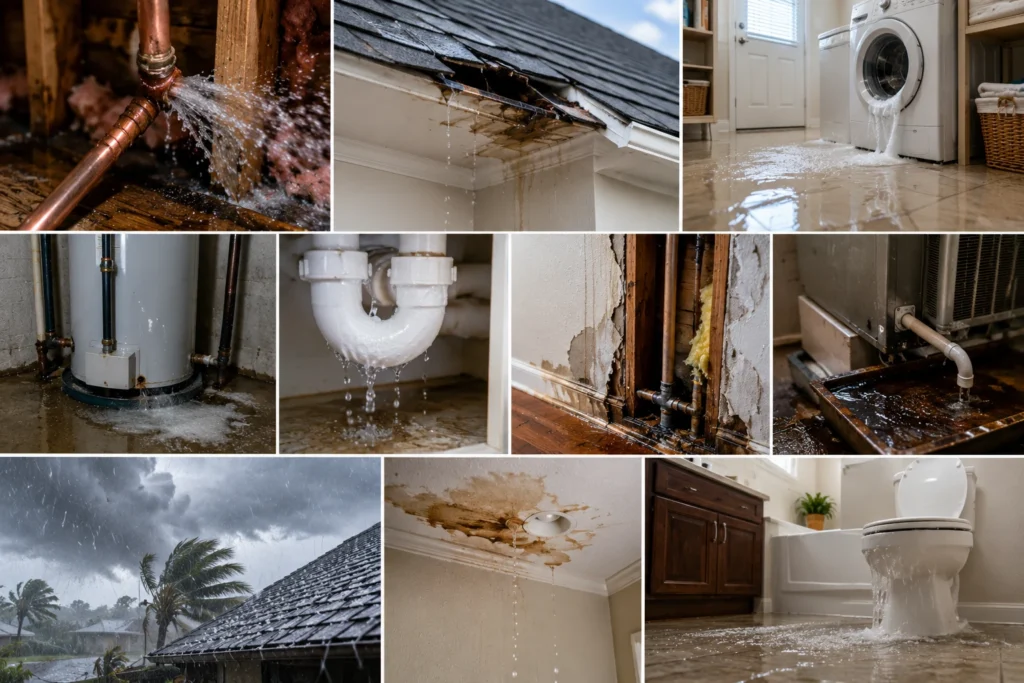
Water damage comes in many forms. Some events occur suddenly, while others develop slowly over weeks or months.
Burst Pipes
Burst plumbing pipes remain one of the most common causes of residential water damage. Aging materials, freezing temperatures, corrosion, excessive pressure, or accidental impacts can all cause pipes to rupture. Once a supply line breaks, water can spread rapidly through multiple rooms.
Roof Leaks
Roof systems naturally deteriorate over time. Missing shingles, damaged flashing, deteriorated sealants, clogged valleys, and storm damage create openings that allow rainwater to enter attics and ceilings. Unfortunately, leaks often remain hidden until visible stains appear indoors.
Appliance Failures
Modern homes rely on numerous water-connected appliances that occasionally fail.
Common examples include:
- Washing machine supply hoses
- Dishwashers
- Water heaters
- Refrigerators with ice makers
- Water filtration systems
These failures frequently occur while homeowners are away, allowing water to flow for hours before discovery.
Plumbing Leaks
Small plumbing leaks hidden inside walls or beneath flooring may continue unnoticed for extended periods. During that time, water can damage framing, insulation, drywall, cabinets, flooring, and even electrical systems.
HVAC System Problems
Air conditioning units continuously generate condensation. When drain lines clog or drain pans crack, water may overflow into ceilings, utility closets, or adjacent rooms. Because these leaks develop gradually, damage sometimes becomes extensive before anyone notices.
Storm Damage
Heavy rain, hail, and strong winds may damage roofing materials, windows, skylights, or siding, creating pathways for water intrusion. Severe storms can also overwhelm drainage systems around foundations.
Overflowing Fixtures
Overflowing bathtubs, toilets, sinks, and broken supply valves may quickly flood multiple rooms. Immediate water extraction helps minimize long-term structural damage.
Why Water Damage Claims Are Often Underpaid
Many homeowners expect insurance companies to identify every damaged component during the first inspection. Unfortunately, water damage rarely works that way. Water naturally seeks the path of least resistance. It moves through framing, insulation, drywall, flooring, and structural cavities, sometimes affecting areas far beyond the visible source. Initial inspections focused only on cosmetic damage may overlook substantial hidden repairs. Several factors commonly contribute to lower settlement amounts.
Hidden Moisture
Water trapped behind walls or beneath finished flooring frequently escapes visual inspection.
Examples include:
- Wet insulation
- Moist wall cavities
- Saturated subfloors
- Ceiling framing
- Structural supports
- Interior trim
Professional moisture detection equipment often identifies damage invisible to the naked eye.
Structural Damage
Wood framing weakens after prolonged moisture exposure. Fasteners may corrode, engineered wood products can swell, and drywall loses strength as it absorbs water. These repairs frequently extend well beyond replacing stained paint or damaged flooring.
Mold Growth
When moisture remains trapped inside building materials, mold may begin developing within days. While mold coverage varies by insurance policy, identifying moisture early often helps reduce additional remediation costs.
Incomplete Repair Estimates
Some estimates focus primarily on visible finishes while overlooking hidden building components.
A thorough estimate should evaluate:
- Drywall
- Flooring
- Insulation
- Cabinets
- Trim
- Electrical systems
- Painting
- Structural framing
- Moisture mitigation
- Cleanup costs
Missing categories can significantly reduce the total claim value.
Depreciation and Policy Interpretation
Insurance policies often contain depreciation provisions, exclusions, deductibles, endorsements, and coverage limitations that influence settlement calculations. Understanding these provisions helps property owners recognize whether an estimate accurately reflects available coverage.
Signs You Should Hire a Water Damage Public Adjuster
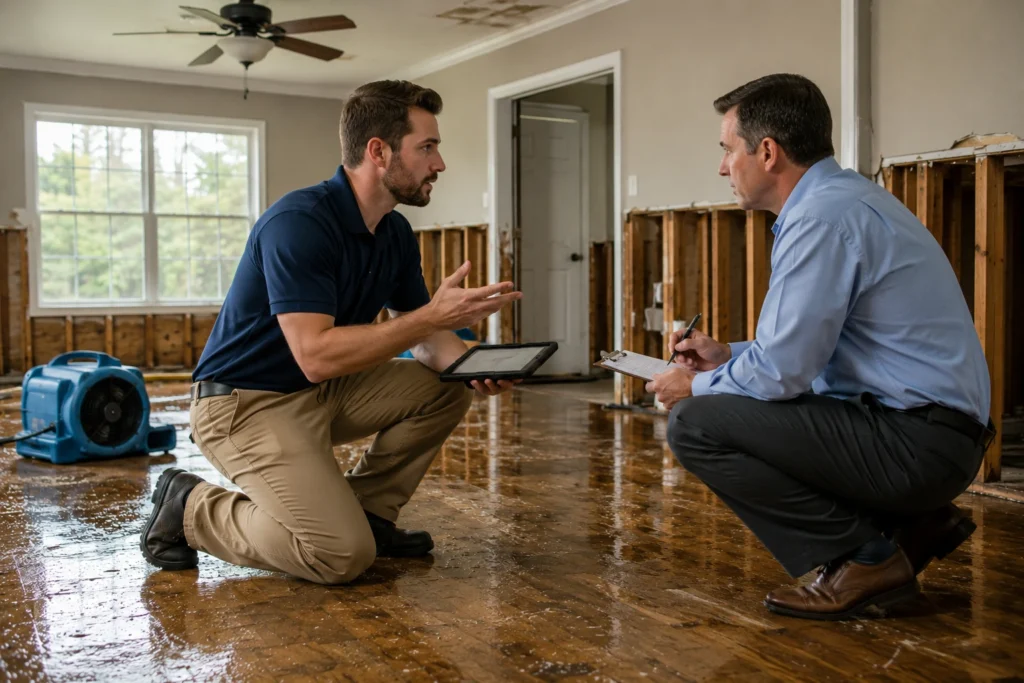
Not every claim requires professional representation. However, certain situations increase the value of working with a Water Damage Public Adjuster.
You should strongly consider professional assistance if:
- Multiple rooms have sustained water damage.
- Structural repairs appear extensive.
- Hidden moisture is suspected.
- Mold has developed.
- The insurance company disputes part of the claim.
- A settlement offer seems unusually low.
- Business operations have been interrupted.
- Personal property losses are substantial.
- Supplemental damages appear during demolition.
The larger and more complicated the claim becomes, the more important detailed documentation, accurate estimating, and organized communication become. Professional claim management can reduce stress while helping ensure that covered damages receive appropriate consideration throughout the adjustment process.
How a Water Damage Public Adjuster Helps Throughout the Claim
Recovering from water damage involves much more than submitting photographs and waiting for an insurance check. Every stage of the process requires careful attention to detail, accurate documentation, and timely communication. A skilled Water Damage Public Adjuster manages these responsibilities while allowing property owners to focus on restoring their homes or businesses.
Reviewing the Insurance Policy
Every claim begins with understanding the policy itself. Insurance contracts contain definitions, exclusions, endorsements, deductibles, and coverage limits that directly affect the outcome of a claim.
A public adjuster carefully reviews the policy to determine:
- Covered causes of loss
- Applicable coverage limits
- Replacement cost versus actual cash value
- Additional living expense coverage
- Personal property coverage
- Time-sensitive reporting requirements
Knowing what the policy actually provides eliminates guesswork and helps establish realistic expectations before negotiations begin.
Conducting a Comprehensive Inspection
Visible damage rarely tells the whole story. Water may travel through wall cavities, beneath hardwood flooring, behind cabinetry, or into insulation long before obvious signs appear. A comprehensive inspection evaluates every affected area rather than only the surfaces that show staining or discoloration.
During an inspection, professionals often examine:
- Walls and ceilings
- Flooring systems
- Structural framing
- Attics and crawl spaces
- Plumbing systems
- HVAC components
- Cabinets and built-in fixtures
- Electrical systems exposed to moisture
This thorough approach helps identify damages that might otherwise remain hidden until repairs begin.
Documenting Every Loss
Documentation is one of the strongest tools available during an insurance claim.
Strong documentation typically includes:
- High-resolution photographs
- Video walkthroughs
- Moisture readings
- Room-by-room inspection notes
- Contractor evaluations
- Emergency mitigation records
- Personal property inventories
- Receipts for emergency expenses
The goal is to create a complete record of the property’s condition immediately after the loss.
Preparing a Detailed Estimate
Accurate estimates require considerably more work than pricing drywall or flooring. Every estimate should account for demolition, debris removal, structural drying, replacement materials, labor, painting, trim work, cabinetry, insulation, flooring, electrical repairs, and cleanup. Depending on the property, additional code-related upgrades may also apply. Comprehensive estimates help ensure that all covered repairs are included before settlement negotiations begin.
Negotiating With the Insurance Company
Negotiation is often where a public adjuster provides the greatest value. Rather than relying on assumptions or verbal discussions, negotiations are supported by documentation, repair estimates, inspection findings, photographs, contractor reports, and applicable policy language. When additional damage is discovered during demolition, supplemental documentation can also be submitted for review.
Understanding the Water Damage Insurance Claim Process
Although every claim is unique, most follow a similar sequence from initial loss through final settlement. Knowing what happens next reduces uncertainty and helps property owners stay organized.
Step 1: Emergency Mitigation
The first priority is preventing additional damage.
Emergency mitigation may include:
- Water extraction
- Temporary roof tarping
- Board-up services
- Dehumidification
- Air movement
- Removal of saturated materials
Insurance policies generally require policyholders to take reasonable steps to prevent additional damage after a covered loss.
Step 2: Reporting the Claim
Notify the insurance company as soon as practical after discovering water damage.
Prepare to provide:
- Date of loss
- Cause of damage
- Description of affected areas
- Emergency repairs completed
- Contact information
Accurate reporting establishes the foundation for the remainder of the claim.
Step 3: Property Inspection
The insurance company typically schedules an inspection to evaluate the damage. During this visit, photographs, measurements, notes, and observations are collected. Property owners should also point out areas where hidden moisture or additional damage may exist.
Step 4: Damage Documentation
Once inspections are complete, supporting documentation is organized.
Examples include:
- Moisture reports
- Contractor estimates
- Repair invoices
- Emergency mitigation bills
- Photographs
- Personal property inventories
Detailed records strengthen the claim and reduce misunderstandings during negotiations.
Step 5: Estimate Review and Negotiation
The insurance company’s estimate should be reviewed carefully. If differences exist between contractor proposals and the insurer’s estimate, additional documentation may be submitted to explain why supplemental repairs are necessary. Many larger claims require multiple rounds of review before settlement is finalized.
Step 6: Settlement and Repairs
Once both parties agree on the covered damages, repairs can move forward with greater confidence. Depending on the policy, depreciation may be reimbursed after completed repairs are documented.
Documentation That Strengthens Your Claim
Well-organized documentation often determines how smoothly a claim progresses. The following records should be preserved whenever possible:
| Documentation | Why It Matters |
| Photos | Capture visible damage immediately |
| Videos | Show the overall condition of each room |
| Moisture readings | Identify hidden water intrusion |
| Contractor estimates | Support repair costs |
| Plumbing reports | Confirm the cause of loss |
| Emergency mitigation invoices | Document efforts to prevent further damage |
| Receipts | Verify replacement costs |
| Communication logs | Track conversations and claim updates |
Maintaining digital copies of every document provides an additional layer of protection if paperwork is misplaced.
Mistakes That Can Reduce Your Insurance Settlement
Insurance claims often become more complicated because of avoidable mistakes made immediately after the loss.
Some of the most common include:
- Waiting too long to report the damage
- Discarding damaged materials before documentation
- Failing to stop additional water intrusion
- Beginning permanent repairs before inspections
- Accepting the first settlement without careful review
- Losing receipts for emergency expenses
- Keeping incomplete inventories of damaged belongings
Small decisions made during the first few days after a loss can influence the entire claim.
Residential Water Damage Claims
Residential water losses vary widely depending on the source of the damage and the construction of the home.
Commonly affected areas include:
- Kitchens
- Bathrooms
- Laundry rooms
- Finished basements
- Attics
- Living rooms
- Bedrooms
Water frequently damages more than flooring. Cabinets, insulation, drywall, trim, doors, electrical wiring, furniture, electronics, artwork, and personal belongings may all require evaluation. Because moisture often spreads beyond visible damage, comprehensive inspections remain essential before repairs begin.
Commercial Water Damage Claims
Commercial properties present additional challenges because property damage may interrupt business operations.
Commercial claims often involve:
- Office buildings
- Restaurants
- Retail stores
- Warehouses
- Hotels
- Medical offices
- Manufacturing facilities
In addition to structural repairs, claims may include:
- Business interruption losses
- Equipment damage
- Inventory losses
- Extra operating expenses
- Temporary relocation costs
These additional coverages require extensive documentation to demonstrate financial impact accurately.
Water Damage vs. Flood Damage: Know the Difference
One of the most common misunderstandings among property owners is assuming that all water damage is treated the same by an insurance policy. In reality, the source of the water often determines whether coverage applies. Generally, sudden and accidental water damage that originates from inside the home such as a burst pipe, an overflowing appliance, or an unexpected plumbing failure is commonly covered under many homeowners insurance policies, subject to the policy’s terms and exclusions.
Flood damage is different. Rising surface water from heavy rainfall, overflowing rivers, storm surge, or widespread flooding is typically excluded from standard homeowners insurance and instead requires a separate flood insurance policy. The distinction can significantly affect the outcome of a claim.
| Water Damage | Flood Damage |
| Burst pipes | Rising rivers |
| Appliance failures | Storm surge |
| Plumbing leaks | Flash flooding |
| Roof leaks caused by covered events | Surface water entering the home |
| Overflowing washing machines | Overflowing creeks or lakes |
Because every insurance policy contains unique language, reviewing coverage carefully before assuming a loss is covered is always the safest approach.
How Long Does a Water Damage Claim Take?
One question nearly every property owner asks is, “How long will this take?” Unfortunately, there is no universal answer. A relatively small kitchen leak may be resolved within a few weeks, while a large commercial water loss involving structural repairs and business interruption may require several months.
Several factors influence the timeline:
- Severity of the damage
- Size of the property
- Availability of contractors
- Scheduling of inspections
- Quality of documentation
- Supplemental damages discovered during repairs
- Insurance company response times
- Complexity of policy interpretation
The best way to keep a claim moving forward is by responding quickly to requests for documentation and maintaining organized records throughout the process.
Choosing the Right Water Damage Public Adjuster
Hiring the right professional can make the claims process significantly less stressful. Not every adjuster has the same level of experience, so taking time to evaluate your options is worthwhile.
Verify Licensing
Always confirm that the public adjuster is properly licensed in the state where your property is located. Licensing requirements help ensure the adjuster meets professional standards and complies with state regulations.
Review Experience
Water damage claims vary widely in complexity.
Ask questions such as:
- How many water damage claims have you handled?
- Have you worked with claims similar to mine?
- Do you have experience with commercial properties?
- Have you negotiated supplemental claims?
Experience often translates into better documentation and more effective negotiations.
Understand the Fee Structure
Before signing an agreement, understand exactly how compensation works.
Ask about:
- Percentage-based fees
- Written contracts
- Additional costs
- Payment timing
A reputable professional should explain the agreement clearly and answer questions without hesitation.
Read Reviews and Ask for References
Client reviews provide valuable insight into communication, professionalism, and responsiveness. References may also help you understand what to expect throughout the claims process.
Communication Is Essential
Property owners should never feel left in the dark. Choose someone who communicates clearly, provides regular updates, explains technical issues in understandable language, and remains available to answer questions as the claim progresses.
Why Local Experience Matters
Insurance policies may be similar across the country, but property damage claims often involve local building practices, regional weather conditions, labor costs, and municipal requirements. Working with professionals familiar with Euless can provide practical advantages throughout the adjustment process. Local knowledge of construction methods, restoration companies, and common weather-related issues allows claims to be documented more accurately and repairs to be evaluated within the context of the local market. Understanding regional construction pricing also helps produce estimates that better reflect actual repair costs rather than broad national averages.
Taking an Active Role Throughout the Claims Process
Many homeowners believe the insurance company will automatically identify every damaged component and calculate every repair accurately. In reality, successful claims often involve active participation from the policyholder.
You can strengthen your claim by:
- Reading every estimate carefully.
- Asking questions whenever something seems unclear.
- Keeping copies of all correspondence.
- Saving every invoice and receipt.
- Photographing newly discovered damage immediately.
- Following up regularly throughout the claim.
- Reporting supplemental damage as repairs progress.
Remaining engaged does not mean becoming argumentative. It simply means protecting your investment by ensuring that every covered loss receives appropriate consideration. Understanding related claim topics, including How Insurance Companies Undervalue Fire Claims, can also provide useful perspective. Although fire and water claims involve different types of damage, both require detailed documentation, accurate estimating, careful policy interpretation, and effective negotiation to pursue a fair insurance settlement.
When Supplemental Claims Become Necessary
One of the biggest surprises during restoration is discovering damage that was impossible to see during the initial inspection. For example, removing wet drywall may reveal:
- Saturated insulation
- Mold growth
- Damaged framing
- Electrical issues
- Additional plumbing damage
- Hidden moisture behind cabinets
When previously concealed damage is uncovered, a supplemental claim may be appropriate. Supplemental claims are not unusual. They simply allow additional covered damage to be documented and reviewed after demolition or restoration exposes conditions that could not reasonably have been identified earlier. Maintaining detailed photographs and contractor reports throughout the repair process makes supplemental requests much easier to support.
Final Thoughts
Water damage is disruptive, expensive, and often emotionally exhausting. Between emergency mitigation, repair decisions, insurance paperwork, and daily responsibilities, it is easy to feel overwhelmed. However, understanding the claims process places you in a much stronger position from the very beginning. A qualified Water Damage Public Adjuster brings organization, experience, and advocacy to a situation where every detail matters. From interpreting insurance policies and documenting hidden damage to preparing detailed estimates and negotiating with the insurance company, their role is centered on protecting the policyholder’s interests throughout the claim.
The most successful claims usually share several characteristics. Property owners act quickly, document everything thoroughly, preserve damaged materials when appropriate, maintain organized records, and communicate consistently throughout the process. These steps not only improve the quality of the claim but also reduce unnecessary delays and misunderstandings. If your property has suffered water damage, don’t assume the first inspection tells the entire story. Hidden moisture, structural deterioration, and overlooked repairs can significantly affect the true cost of restoration. Taking the time to understand your policy, gather strong documentation, and seek experienced guidance when necessary can make a meaningful difference in your financial recovery.
For homeowners and business owners in Euless, being proactive after a water loss is one of the smartest decisions you can make. Whether the damage stems from a burst pipe, appliance failure, plumbing leak, or severe weather, approaching the claim with preparation and the support of an experienced Water Damage Public Adjuster can help you pursue the fair settlement needed to restore your property and move forward with confidence.
FAQs
A Water Damage Public Adjuster represents the policyholder by documenting damage, interpreting the insurance policy, and negotiating a fair settlement with the insurer.
Consider hiring one if your claim is large, complex, underpaid, denied, or involves hidden damage like mold or structural issues.
Yes. They can review the settlement, identify overlooked damages, and negotiate for additional compensation if supported by the policy.
No. A public adjuster works exclusively for the policyholder, not the insurance company.
Many policies cover sudden and accidental water damage, such as burst pipes or appliance failures, but coverage depends on your specific policy.
Yes. If hidden damage is related to a covered loss, it may be included when properly documented and supported by inspections.
Most public adjusters charge a percentage of the final insurance settlement, which is typically outlined in a written agreement.
Not necessarily. In many cases, a public adjuster helps organize documentation and communication, which can make the process more efficient.
Save photos, videos, repair estimates, receipts, mitigation invoices, and all communications with your insurance company.
Yes. Public adjusters regularly assist commercial property owners with claims involving building damage, equipment losses, and business interruption.