
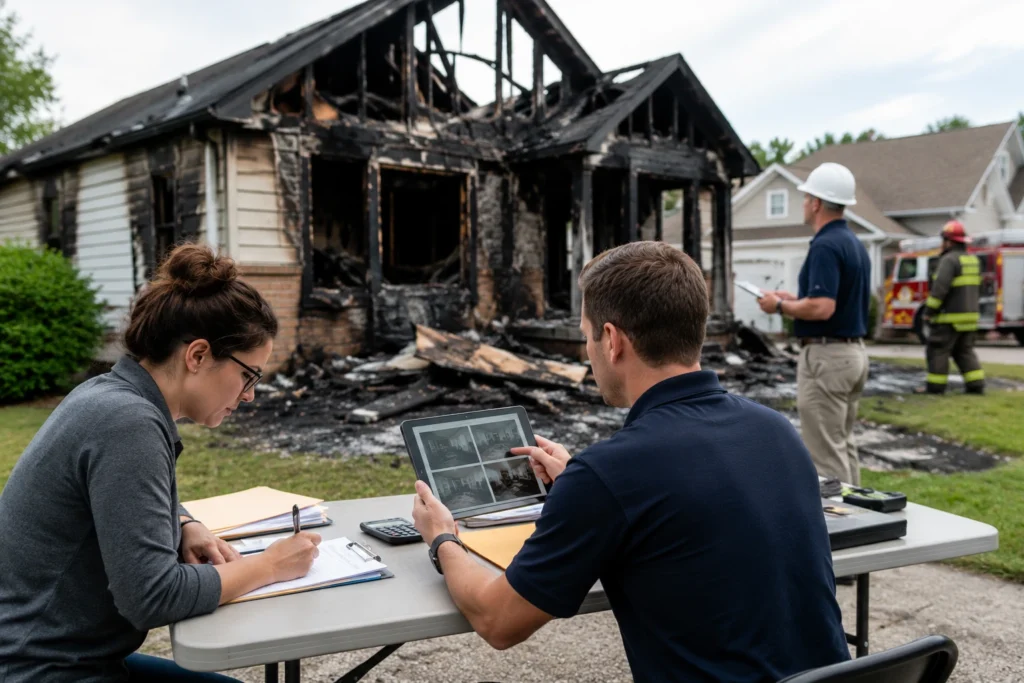
A house fire can change everything in a matter of minutes. One moment you’re enjoying the comfort of home, and the next you’re facing damaged belongings, structural destruction, and a long list of unanswered questions. That’s why understanding the House Fire Insurance Claim Process before or immediately after a fire is so important. Knowing what to expect helps you stay organized, avoid costly mistakes, and improve your chances of receiving a fair settlement. For homeowners in Euless, being prepared can make an overwhelming situation far more manageable.
Beyond the visible damage, a fire often leaves behind emotional stress and financial uncertainty. You may need temporary housing, emergency repairs, or help replacing valuable possessions. While your insurance policy is designed to provide protection, navigating the claims process isn’t always straightforward. Deadlines, documentation requirements, inspections, and settlement negotiations all play significant roles in determining the outcome. The good news? You don’t have to approach the process blindly. By understanding each stage from reporting the loss to negotiating the final settlement you can make informed decisions that protect your interests. Throughout this guide, we’ll explain each step in plain language and share practical strategies that homeowners can use immediately.
Whether the fire caused minor smoke damage or completely destroyed your property, the actions you take during the first few days can affect your claim for months. Acting quickly while remaining organized helps preserve evidence and reduces unnecessary delays. We’ll also discuss the common mistakes homeowners make after a fire and explain how proper documentation can strengthen your case. Small details often become important during the adjustment process, especially when insurance companies evaluate repair costs and replacement values.
The reality is simple: insurance companies process thousands of claims every year. While many claims are handled fairly, others involve disagreements over repair estimates, depreciation, or coverage limitations. Understanding the House Fire Insurance Claim Process allows you to communicate more confidently and recognize when professional assistance may be beneficial.
If you’re researching The Smart Homeowner’s Guide to Finding a Public Adjuster Who Actually Works for You, you’re already taking a proactive approach. Choosing an experienced public adjuster can provide valuable support by reviewing your policy, documenting losses thoroughly, and negotiating directly with the insurance company on your behalf when a claim becomes complicated.
Understanding the House Fire Insurance Claim Process
The House Fire Insurance Claim Process begins the moment you notify your insurance carrier about the loss. Although every insurance company follows its own procedures, most claims move through similar stages, including reporting the incident, documenting damages, scheduling inspections, reviewing policy coverage, estimating repairs, and negotiating payment.
Many homeowners assume filing a claim simply means submitting photographs and waiting for a check. In reality, the process involves multiple reviews and detailed evaluations. Insurance adjusters must determine the cause of the fire, assess the extent of the damage, verify policy coverage, and calculate repair or replacement costs before approving payment. A successful claim depends on more than proving a fire occurred. You’ll also need to demonstrate the value of damaged property, document structural losses, and show that you took reasonable steps to prevent additional damage after the incident. Staying organized from the very beginning can significantly improve the efficiency of the process.
What Types of Fire Damage Are Usually Covered?
Most homeowner insurance policies cover sudden and accidental fire damage, but coverage depends on the terms outlined in your specific policy. Understanding what is typically included helps you prepare realistic expectations while documenting your losses.
Structural Damage
Structural damage is often the largest portion of a fire insurance claim. Depending on the severity of the fire, repairs may involve:
- Roofing systems
- Exterior walls
- Interior framing
- Ceilings
- Flooring
- Windows
- Doors
- Attached garages
- Foundations
Even if portions of the home appear unaffected, hidden heat damage can weaken framing, compromise insulation, or create long-term structural concerns that require professional evaluation.
Smoke Damage
Smoke frequently travels much farther than flames. In many cases, rooms untouched by fire still suffer significant contamination.
Smoke damage may include:
- Soot buildup
- Lingering odors
- Stained ceilings
- Damaged paint
- Contaminated HVAC systems
- Corroded electronics
Professional smoke remediation often becomes necessary because odors can penetrate insulation, drywall, furniture, and ventilation systems.
Water Damage From Fire Suppression
Ironically, extinguishing the fire often creates another layer of property damage.
Firefighting efforts may leave behind:
- Saturated drywall
- Wet insulation
- Damaged flooring
- Standing water
- Ceiling collapse
- Mold growth risks
Prompt water extraction and drying help reduce additional damage that could complicate the insurance claim.
Personal Property Loss
Most homeowner policies also cover personal belongings damaged by fire or smoke.
Common examples include:
- Furniture
- Clothing
- Electronics
- Kitchen appliances
- Home office equipment
- Mattresses
- Artwork
- Children’s toys
Certain high-value items such as jewelry, collectibles, firearms, or rare artwork may have separate policy limits, making accurate documentation especially important.
Additional Living Expenses (ALE)
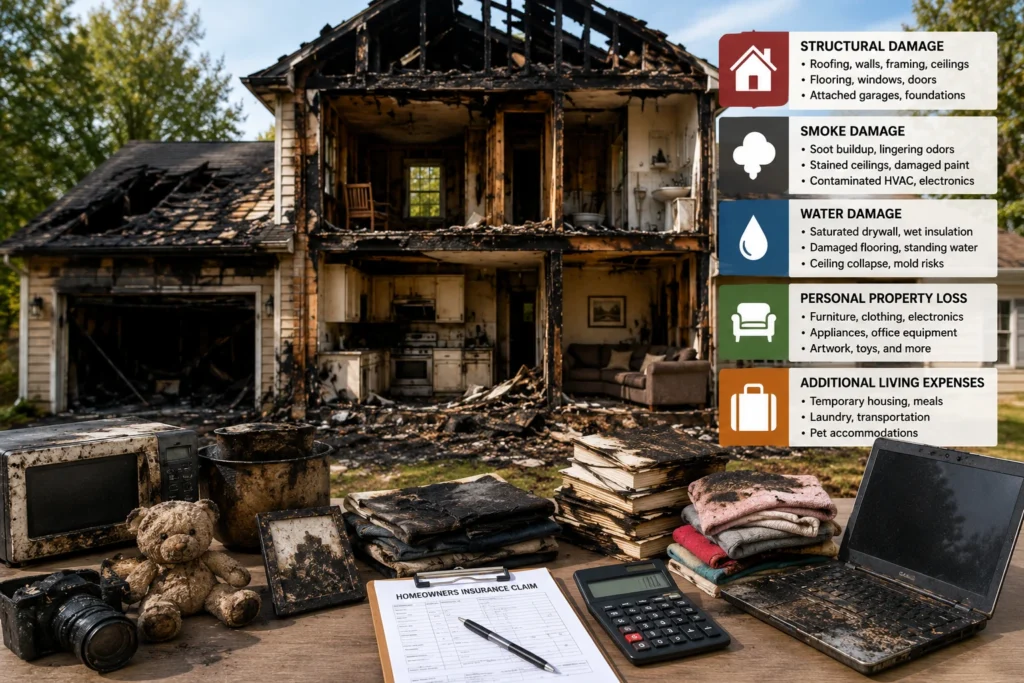
If your home becomes temporarily uninhabitable, many policies include Additional Living Expenses coverage.
This may reimburse reasonable costs for:
| Covered Expense | Examples |
| Temporary housing | Hotels, rental homes |
| Meals | Restaurant expenses beyond normal food costs |
| Laundry | Laundromat services |
| Transportation | Increased commuting expenses |
| Pet accommodations | Boarding facilities |
Keeping detailed receipts throughout your displacement period makes reimbursement much easier later.
What to Do Immediately After a House Fire
The hours following a fire are stressful. Emotions run high, and it’s easy to overlook important tasks. However, taking organized action protects both your safety and your insurance claim.
Ensure Everyone Is Safe
Your family’s safety always comes first. Never re-enter the home until the fire department confirms the structure is safe. Even after the flames are extinguished, weakened floors, unstable walls, electrical hazards, and lingering smoke can pose serious dangers. If anyone suffered injuries, seek medical attention immediately. Medical records may become important if injury-related expenses are included under applicable insurance coverage.
Contact Your Insurance Company
Notify your insurance carrier as soon as reasonably possible.
During the initial call, be prepared to provide:
- Your policy number
- Property address
- Date and approximate time of the fire
- Brief description of the incident
- Emergency contact information
After opening your claim, the insurer will assign a claim number and typically schedule an inspection within several days.
Secure the Property
Insurance policies generally require homeowners to take reasonable steps to prevent additional damage after a covered loss.
Emergency protective measures often include:
- Boarding broken windows
- Installing temporary roof tarps
- Securing damaged doors
- Shutting off utilities when necessary
- Preventing unauthorized entry
These temporary repairs should be documented with photographs and receipts before permanent restoration begins.
Begin Documenting Everything
Documentation is one of the strongest tools available during the House Fire Insurance Claim Process.
Take photographs before moving damaged items whenever possible.
Capture:
- Every affected room
- Structural damage
- Burn patterns
- Smoke residue
- Water damage
- Damaged personal belongings
- Exterior views
- Utility equipment
Videos provide additional context by showing the overall condition of the property. Keep digital backups of every file. Cloud storage ensures valuable evidence isn’t lost if your phone or computer becomes damaged later.
Save Every Receipt
Many homeowners underestimate how many expenses accumulate after a fire. Create one folder specifically for claim-related expenses.
Include receipts for:
- Hotels
- Meals
- Emergency supplies
- Temporary clothing
- Boarding services
- Cleaning materials
- Security services
- Emergency repairs
Even relatively small purchases may qualify for reimbursement under your policy.
Understanding Your Insurance Policy
Once the immediate emergency has passed, it’s time to carefully review your homeowner insurance policy. Although reading insurance language isn’t anyone’s favorite task, understanding your coverage prevents unpleasant surprises later. Focus on these key sections.
Dwelling Coverage
Dwelling coverage pays for repairing or rebuilding the primary structure after a covered fire.
This generally includes:
- Roof
- Walls
- Attached garage
- Plumbing
- Electrical systems
- Built-in cabinets
- Flooring
Coverage limits determine the maximum amount available for rebuilding costs.
Personal Property Coverage
This section covers belongings damaged or destroyed during the fire.
Depending on your policy, reimbursement may be based on:
- Actual Cash Value (ACV)
- Replacement Cost Value (RCV)
Replacement Cost coverage usually provides greater financial protection because it reimburses the cost of purchasing new items rather than accounting for depreciation.
Loss of Use Coverage
Loss of Use coverage, often called Additional Living Expenses, helps pay for necessary expenses while your home is being repaired. Coverage commonly includes temporary housing, increased meal expenses, storage costs, and transportation related to displacement. Maintaining organized records makes reimbursement much smoother throughout the claim.
Other Structures Coverage
Detached garages, fences, sheds, gazebos, and similar structures often fall under separate coverage limits. Although these structures may represent a smaller portion of the overall claim, documenting their condition remains just as important.
Policy Limits and Deductibles
Every homeowner should understand two critical numbers before negotiating a settlement.
| Insurance Term | Meaning |
| Coverage Limit | Maximum amount your insurer may pay |
| Deductible | Amount you pay before insurance coverage begins |
Knowing these figures helps you evaluate settlement offers more accurately and avoid misunderstandings during negotiations.
Common Fire Insurance Exclusions
While homeowner insurance provides valuable protection, not every type of fire-related damage is automatically covered.
Some common exclusions may include:
- Intentional acts
- Fraudulent claims
- Long-term neglect
- Certain vacant property situations
- Wear and tear unrelated to the fire
- Some ordinance or building code upgrades unless additional coverage applies
Understanding exclusions doesn’t mean expecting denial. Instead, it allows you to prepare accurate documentation and ask informed questions throughout the claim.
The Insurance Investigation Process
Once your claim has been opened, the insurance company begins its formal investigation. This phase determines the scope of covered damage, estimates repair costs, and confirms how your policy applies to the loss. Although this stage can feel intimidating, remember that preparation is your greatest advantage. Organized records, detailed photographs, and clear communication often help claims move more efficiently while reducing unnecessary disputes.
Estimating Fire Damage
After the initial inspection, the insurance company begins estimating the cost to repair or replace damaged property. This stage is one of the most important parts of the House Fire Insurance Claim Process because it directly affects how much compensation you receive. Even small differences in repair estimates can add up to thousands of dollars, making it essential to understand how these calculations are made.
Insurance adjusters often rely on specialized estimating software, local labor rates, contractor pricing, and material costs to prepare their reports. While these tools provide consistency, they don’t always capture every hidden issue within a fire-damaged home. Smoke infiltration behind walls, weakened framing, damaged insulation, or compromised electrical wiring may require additional inspections before the full extent of the loss becomes clear.
How Insurance Companies Calculate Losses
Several factors influence the value of your claim.
Replacement Cost
Replacement cost refers to the amount required to repair or replace damaged property with materials of similar quality at today’s prices. Policies with replacement cost coverage generally provide more comprehensive financial protection than those based solely on depreciated values.
Actual Cash Value
Actual Cash Value (ACV) considers depreciation. Older items that have experienced years of use may be valued significantly lower than the cost of purchasing a brand-new replacement.
Depreciation
Depreciation reflects normal wear and aging. Furniture, flooring, appliances, and electronics often lose value over time. Understanding how depreciation affects your settlement helps you interpret the insurer’s calculations more accurately.
Repair Estimates
Contractors and insurance adjusters may produce different repair estimates. One contractor may identify hidden smoke damage requiring extensive remediation, while another focuses only on visible repairs. Obtaining independent estimates can provide valuable insight before accepting a settlement.
Why Estimates Often Differ
Several issues contribute to differing repair estimates:
- Hidden structural damage
- Smoke contamination inside walls
- Water damage from firefighting efforts
- Local labor costs
- Material availability
- Code upgrade requirements
- Differences in contractor experience
When estimates vary significantly, requesting clarification and supporting documentation can help resolve disagreements.
Filing Your Personal Property Claim
Many homeowners focus primarily on repairing the structure, yet personal belongings often represent a substantial portion of the total claim. Unfortunately, documenting these losses can also be one of the most time-consuming tasks. Creating a detailed inventory requires patience, but the effort usually pays off. The more accurately you document your belongings, the stronger your claim becomes.
Creating a Home Inventory
Organize your inventory room by room rather than trying to remember everything at once.
Include items such as:
Living Room
- Sofas
- Chairs
- Televisions
- Artwork
- Rugs
- Lamps
Bedrooms
- Beds
- Dressers
- Clothing
- Shoes
- Jewelry
- Personal electronics
Kitchen
- Appliances
- Cookware
- Small kitchen gadgets
- Dishes
- Glassware
- Food lost during the fire
Home Office
- Computers
- Printers
- Cameras
- Office furniture
- Documents
Garage
- Tools
- Lawn equipment
- Sporting goods
- Storage cabinets
Whenever possible, include:
- Purchase dates
- Estimated replacement cost
- Brand names
- Model numbers
- Original receipts
- Warranty documents
- Photographs
Even if you cannot remember every detail, providing reasonable estimates is often better than omitting items entirely.
Temporary Housing During the Claim
If your home cannot be occupied safely, you’ll likely rely on Additional Living Expenses coverage while repairs are underway.
This portion of your policy helps maintain your normal standard of living during displacement.
Covered expenses may include:
| Expense | Examples |
| Housing | Hotel, apartment, rental home |
| Meals | Restaurant costs exceeding your usual grocery budget |
| Laundry | Laundromats and cleaning services |
| Storage | Furniture storage units |
| Pet Care | Boarding facilities or pet-friendly accommodations |
Although these benefits are valuable, reimbursement usually depends on maintaining organized records. Keep receipts, invoices, rental agreements, and mileage logs whenever applicable.
Common Problems During the House Fire Insurance Claim Process
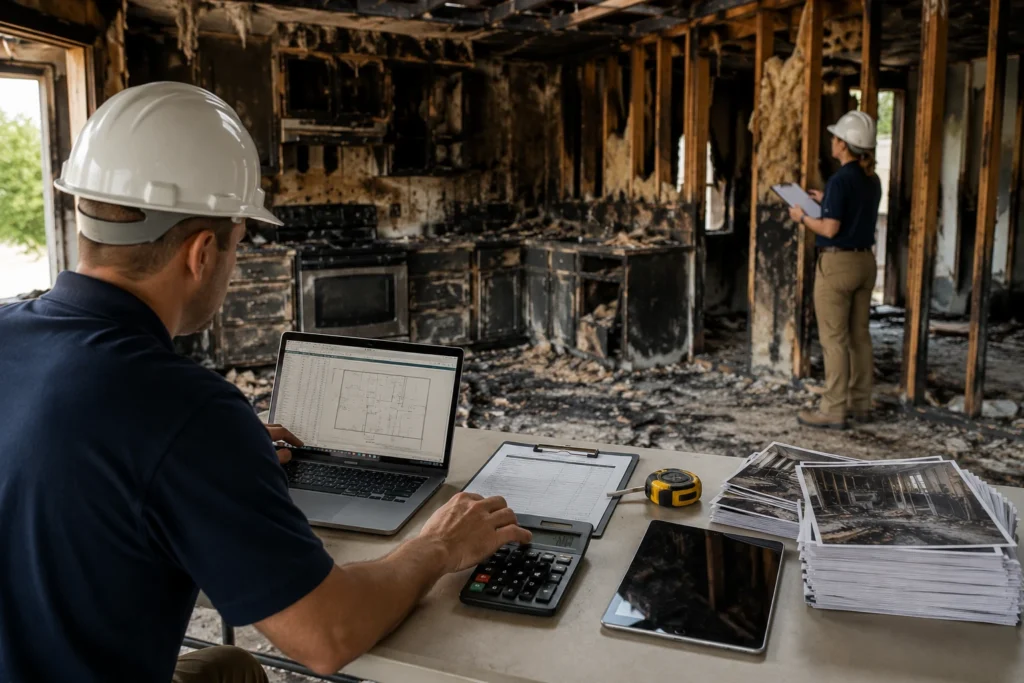
Even straightforward claims sometimes encounter obstacles. Understanding these challenges helps you prepare before they arise.
Delayed Claims
Large fire losses often require extensive inspections, engineering reports, contractor estimates, and policy reviews. While some delays are unavoidable, prolonged inactivity deserves follow-up communication.
Low Settlement Offers
The first settlement offer isn’t always the final offer. If important repairs or damaged belongings were overlooked, additional documentation may support a revised evaluation.
Missing Documentation
Incomplete inventories or missing photographs can slow the review process considerably. Maintaining organized records from day one remains one of the best ways to avoid unnecessary complications.
Disputed Cause of Fire
Insurance companies frequently investigate the origin of a fire before approving payment. Fire department reports, expert opinions, and scene investigations may all become part of the review.
Underestimated Repairs
Some damage isn’t immediately visible. Heat exposure may weaken structural components, while smoke residues continue affecting materials long after the fire is extinguished.
Communication Delays
Maintain a written log documenting:
- Phone conversations
- Emails
- Inspection dates
- Requested documents
- Claim updates
A detailed communication record often proves invaluable if questions arise later.
How a Public Adjuster Can Help
Many homeowners don’t realize they have the option to hire a public adjuster. Unlike insurance company adjusters, public adjusters work for the policyholder rather than the insurer. Their objective is to help evaluate the full scope of the loss while advocating for a fair settlement.
Services commonly include:
- Reviewing insurance policies
- Inspecting property damage
- Preparing detailed inventories
- Coordinating repair estimates
- Negotiating with insurance companies
- Supporting disputed claims
For homeowners in Euless, consulting a qualified public adjuster after a significant fire loss may provide additional confidence during an otherwise stressful process, particularly when substantial structural or personal property damage is involved.
When Should You Consider Hiring One?
Professional representation may be beneficial when:
- Damage is extensive.
- The claim has been delayed.
- Settlement offers seem too low.
- Coverage questions arise.
- Multiple contractors disagree on repair costs.
- You simply want experienced guidance throughout the House Fire Insurance Claim Process.
Mistakes That Can Reduce Your Settlement
Certain decisions made during the first few weeks after a fire can unintentionally reduce the value of your claim. Avoid these common mistakes.
Throwing Away Damaged Property
Unless safety requires immediate disposal, keep damaged belongings until the insurance company authorizes removal or documentation is complete.
Accepting the First Offer Too Quickly
Review settlement documents carefully. If repair estimates appear incomplete, request clarification before signing.
Missing Deadlines
Insurance policies often include reporting deadlines and documentation requirements. Mark important dates on your calendar and respond promptly to information requests.
Performing Permanent Repairs Too Soon
Emergency mitigation is encouraged, but permanent rebuilding should generally wait until documentation and inspections are complete unless authorized by your insurer.
Forgetting Additional Living Expenses
Small expenses accumulate quickly. Save every receipt because reimbursement may depend on proper documentation.
Tips to Maximize Your Fire Insurance Settlement
A well-prepared homeowner often experiences a smoother claims process.
Here are several practical strategies:
- Photograph everything before cleanup begins.
- Create digital backups of all records.
- Maintain a detailed inventory.
- Request copies of inspection reports.
- Obtain independent contractor estimates.
- Keep written communication whenever possible.
- Review your insurance policy carefully.
- Ask questions whenever something is unclear.
These habits not only strengthen your documentation but also help you make informed decisions throughout the House Fire Insurance Claim Process.
Frequently Overlooked Fire Damage
Visible flames tell only part of the story.
Many serious problems remain hidden long after cleanup begins.
Examples include:
- Smoke inside HVAC ductwork
- Water trapped behind walls
- Mold growth
- Hidden electrical damage
- Damaged insulation
- Persistent smoke odors
- Heat-weakened framing
During professional inspections, specialists sometimes use advanced diagnostic techniques to identify concealed damage. In particularly complex assessments, experts may even evaluate material behavior through concepts related to thermogravimetric analysis, a scientific method used to study how materials change when exposed to heat.
Typical Fire Claim Timeline
Every claim differs, but most follow a similar progression.
| Stage | Estimated Time |
| Report the loss | Within 24–48 hours |
| Initial inspection | 2–7 days |
| Damage documentation | 1–3 weeks |
| Estimate preparation | 2–6 weeks |
| Negotiation | Several weeks |
| Final settlement | Depends on complexity |
Large losses involving complete rebuilds often require considerably more time than smaller claims involving limited smoke damage.
Stay Organized Throughout the Process
Organization can become one of your greatest advantages.
Create folders for:
- Insurance correspondence
- Contractor estimates
- Repair invoices
- Hotel receipts
- Temporary housing expenses
- Personal property inventories
- Photographs
- Inspection reports
Whether stored digitally or on paper, having immediate access to important documents reduces stress and helps keep your claim moving efficiently.
Final Thoughts
Recovering from a house fire is never easy, but understanding the House Fire Insurance Claim Process can make the journey less overwhelming. Every stage from reporting the fire and documenting damage to reviewing estimates and negotiating a settlement requires attention to detail and thoughtful decision-making.
Rather than rushing through the process, take the time to understand your policy, maintain organized records, and ask questions whenever something seems unclear. Careful preparation often leads to stronger documentation, smoother communication, and more accurate claim evaluations. Most importantly, remember that you don’t have to navigate everything alone. Whether your fire caused limited smoke damage or extensive structural destruction, experienced professionals can provide valuable guidance when challenges arise. By staying informed, protecting your rights, and approaching every step strategically, you’ll be better positioned to recover financially and rebuild with confidence.
FAQs
The timeline varies depending on the extent of the damage, but most claims take several weeks to a few months to resolve.
Ensure everyone is safe, contact emergency services if needed, and notify your insurance company as soon as possible to begin the claims process.
Most standard homeowners insurance policies cover smoke damage caused by a covered fire, including cleaning and odor removal when applicable.
If your policy includes Additional Living Expenses (ALE) coverage, it may reimburse reasonable costs for temporary housing and other necessary living expenses.
You should only perform emergency measures to prevent further damage and avoid disposing of damaged property until it has been documented or approved by your insurer.
Save photos, videos, receipts, repair estimates, invoices, and all communication with your insurance company to support your claim.
Insurance adjusters and contractors may identify different repair needs, labor costs, or hidden damage, resulting in varying estimates.
Review the offer carefully and compare it with your documented losses before accepting, especially if significant damage may have been overlooked.
A public adjuster may be helpful if your claim is large, complex, delayed, denied, or if you believe the settlement offer is lower than it should be.
Yes. Smoke residue, water intrusion, electrical damage, and weakened structural components may not be immediately visible but can significantly impact repair costs.