
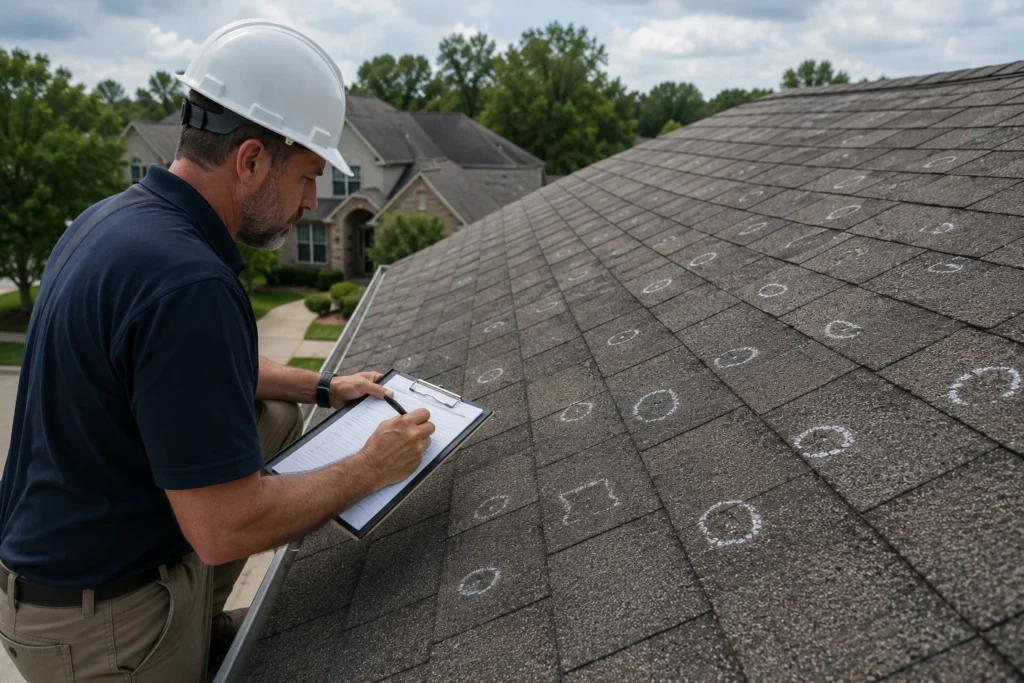
Hailstorms can leave homeowners staring at a roof that looks battered, wondering what comes next. The tricky part is that not every dent or mark means your roof has suffered serious harm. Understanding cosmetic vs functional hail damage is one of the most important steps you can take before filing an insurance claim. A mistake at this stage could mean paying out of pocket for repairs that should have been covered or filing a claim that ultimately gets denied. Knowing the difference helps you make informed decisions, protect your investment, and avoid unnecessary frustration.
For homeowners in Euless, hailstorms are more than an occasional inconvenience. North Texas regularly experiences severe weather capable of damaging roofing systems, siding, gutters, skylights, and other exterior components. While the signs of a storm may seem obvious from the ground, the true extent of damage often isn’t. That’s why a careful inspection matters so much. Some issues are immediately visible, while others hide beneath the surface until leaks or structural problems begin to appear months later.
One of the biggest factors affecting a claim is How Insurance Companies Evaluate Hail Damage. Insurance adjusters don’t simply look for dents and approve every claim. Instead, they examine whether the hail has compromised the roofing system’s ability to perform its intended function. They’ll consider the age of the roof, the type of roofing material, weather records, the direction of impact, and whether the damage is cosmetic or functional. Understanding this evaluation process gives homeowners a clearer picture of why some claims are approved while others are denied. Throughout this guide, we’ll break down the differences between cosmetic and functional hail damage, explain how insurers assess storm-related claims, discuss what signs to watch for, and share practical tips for documenting damage correctly. Whether you’re dealing with a recent hailstorm or simply preparing for future severe weather, this information will help you protect your home and make smarter insurance decisions.
What Is Cosmetic Hail Damage?
Not every hail impact creates a roofing emergency. In many cases, hail leaves behind marks that change how your roof looks without affecting how it performs. This is known as cosmetic hail damage. Cosmetic damage refers to surface imperfections that don’t immediately reduce the roof’s ability to keep water out or protect the home. The roof may have dents, scratches, or small blemishes, but it continues functioning as designed. Unfortunately, cosmetic damage can still create confusion. Many homeowners assume any visible hail mark qualifies for a complete roof replacement. That’s rarely how insurance policies work.
Common Examples of Cosmetic Hail Damage
Cosmetic hail damage varies depending on the roofing material and the size of the hailstones.
Some of the most common examples include:
- Small dents in metal roof panels
- Dings on gutters and downspouts
- Minor marks on flashing
- Slight dents in roof vents
- Surface scratches on painted metal
- Small granule displacement that doesn’t expose the asphalt layer
- Cosmetic dents on HVAC condenser covers
- Minor blemishes on skylight frames
These imperfections may affect appearance, but they don’t necessarily create immediate water intrusion or structural problems.
Why Cosmetic Damage Still Deserves Attention
Even though cosmetic damage may not require immediate repairs, ignoring it isn’t always the best decision.
There are several reasons homeowners should document cosmetic hail damage:
- It can reduce curb appeal.
- Future buyers may view the roof as damaged.
- Additional storms can worsen existing damage.
- Minor surface damage sometimes hides deeper problems.
- It establishes a record if deterioration develops later.
Think of cosmetic damage as an early warning sign rather than something to dismiss entirely. While it may not require replacement today, it deserves professional evaluation.
What Is Functional Hail Damage?
Functional hail damage is much more serious. Unlike cosmetic damage, functional damage affects the roof’s ability to protect your home from water, wind, and future weather events. It compromises the roofing system rather than simply changing its appearance. Insurance companies often focus heavily on functional damage because it directly increases the likelihood of future losses.
Common Examples of Functional Hail Damage
Functional damage may include:
- Cracked asphalt shingles
- Torn or punctured roofing membranes
- Broken seal strips
- Exposed fiberglass mat
- Significant granule loss exposing asphalt
- Holes in metal roofing
- Fractured tile roofing
- Bent or damaged flashing that allows water intrusion
- Cracked skylight glazing
- Compromised ridge caps
These issues may eventually allow moisture to penetrate beneath the roofing materials, leading to interior water damage, mold growth, insulation deterioration, and expensive structural repairs.
Why Functional Damage Matters More
A roof doesn’t have to leak today to qualify as functionally damaged. In fact, many serious roofing problems begin long before homeowners notice water stains on the ceiling.
Functional hail damage can:
- Shorten the roof’s lifespan
- Increase the chance of leaks
- Weaken weather resistance
- Reduce wind performance
- Lead to costly repairs later
- Void manufacturer warranties in some situations
That’s why experienced inspectors look beyond the obvious dents and examine whether hail has altered the roof’s protective capabilities.
Cosmetic vs Functional Hail Damage: Understanding the Key Differences
At first glance, the distinction can seem subtle. Both types of damage result from the same storm. Both may leave visible marks. The real difference lies in performance. Cosmetic damage affects appearance. Functional damage affects protection. Here’s a simple comparison.
| Cosmetic Hail Damage | Functional Hail Damage |
| Changes appearance | Affects roof performance |
| Usually doesn’t leak | May eventually cause leaks |
| Often limited to surface dents | Can expose underlying materials |
| May not qualify for insurance coverage | Frequently covered when policy terms apply |
| Primarily aesthetic | Structural or protective concern |
| Lower immediate risk | Higher long-term risk |
This comparison explains why two neighboring homes hit by the same hailstorm may receive very different insurance decisions. Every roof responds differently depending on its condition, age, installation quality, and roofing material.
Why the Difference Isn’t Always Obvious
One of the biggest misconceptions about cosmetic vs functional hail damage is believing homeowners can accurately identify the difference from the ground. That’s rarely the case. Some functional damage is almost invisible without getting onto the roof. For example, a hailstone may bruise an asphalt shingle without cracking its surface. Over time, that bruised area weakens, loses granules, and eventually allows water to enter.
Likewise, a small dent in a metal roof may appear dramatic but have virtually no impact on its ability to shed water. Appearances can be misleading. Professional inspections involve much more than taking photographs. Inspectors look for fracture patterns, displaced granules, moisture intrusion, damaged seal strips, lifted shingles, and other subtle indicators that reveal whether the roofing system has actually been compromised. The goal isn’t simply to find damage. It’s to determine whether the damage changes how the roof performs.
Why Homeowners Often Misjudge Hail Damage
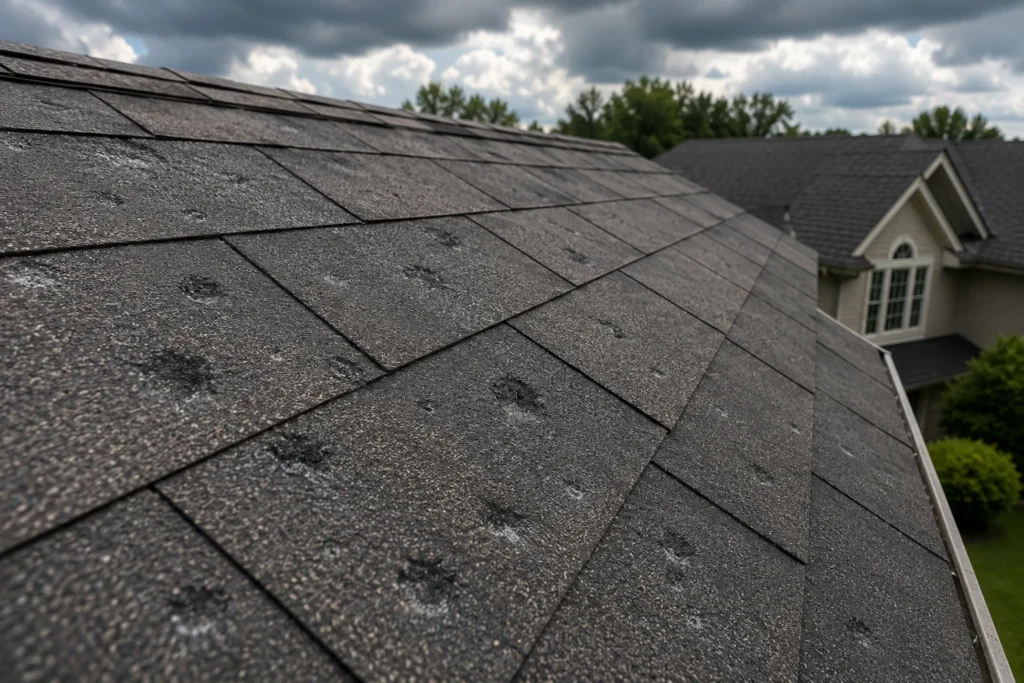
After a severe storm, emotions naturally run high. Homeowners want reassurance that their property is protected, and many begin inspecting their homes immediately. That’s a smart first step.
However, several factors can make damage difficult to interpret:
- Wet roofing materials can hide fractures.
- Dirt may conceal impact marks.
- Aging roofs already contain normal wear.
- Previous storm damage may resemble fresh impacts.
- Different roofing products react differently to hail.
Because of these variables, relying solely on a visual inspection from a ladder or worse, from the ground—can result in costly mistakes. Instead, document what you can safely see, avoid climbing onto the roof if conditions are hazardous, and arrange for a comprehensive inspection after significant hail events.
By understanding the basics of cosmetic vs functional hail damage, you’ll be better prepared to ask informed questions, evaluate inspection findings, and determine the most appropriate next steps before moving forward with an insurance claim.
How Insurance Companies Evaluate Hail Damage
After a hailstorm, filing an insurance claim is only the beginning of the process. What happens next often determines whether your claim is approved, partially covered, or denied. Understanding How Insurance Companies Evaluate Hail Damage can help remove much of the uncertainty and prepare you for what to expect during an inspection.
Insurance companies don’t simply verify that a storm occurred and approve repairs. They investigate whether the hail caused damage that falls within the terms of your policy. This means adjusters are looking beyond obvious dents and broken shingles. Their job is to determine whether the roofing system has suffered cosmetic damage, functional damage, or a combination of both.
The Initial Property Inspection
The inspection usually begins with a complete walk-around of the property before anyone steps onto the roof.
Adjusters commonly inspect:
- Roofing materials
- Gutters and downspouts
- Flashing
- Roof vents
- Skylights
- Chimneys
- Siding
- Garage doors
- Window trim
- Air conditioning units
- Fences and other exterior structures
Damage across several components helps establish the severity of the storm, but each item is still evaluated independently. A dented gutter, for example, doesn’t automatically mean the shingles have sustained functional damage.
Weather History Verification
Modern insurance companies rely heavily on weather technology.
Adjusters frequently review:
- Radar imagery
- Historical storm reports
- Recorded hail size
- Wind speeds
- Storm path mapping
- Dates and times of hail events
These records help confirm that the reported hailstorm actually occurred and provide context for what inspectors should reasonably expect to find during their examination.
Roof Age and Previous Condition
Not every roof responds to hail the same way. Several factors influence how much damage a roof sustains, including:
- Age of the roofing material
- Previous repairs
- Existing deterioration
- Quality of installation
- Ventilation
- General maintenance
A roof nearing the end of its expected lifespan may already show cracking, granule loss, or weathering that isn’t related to the most recent hailstorm. Separating old wear from new storm damage is an important part of every inspection.
Supporting Documentation Matters
Insurance adjusters appreciate organized documentation.
Helpful evidence includes:
- Photos taken immediately after the storm
- Videos showing visible impacts
- Professional inspection reports
- Weather reports
- Roof maintenance records
- Previous insurance inspections
- Contractor estimates
While documentation alone doesn’t guarantee approval, it creates a much stronger record of the property’s condition before repairs begin.
Why Cosmetic Damage Claims Are Sometimes Denied
Many homeowners are surprised to learn that visible hail damage doesn’t automatically result in an insurance payout. The reason usually comes down to the policy language. If the roof still performs its intended function and only its appearance has changed, the insurer may classify the damage as cosmetic rather than functional. Some insurance policies specifically exclude cosmetic hail damage from coverage.
Common Reasons for Denial
Cosmetic-only claims may be denied because:
- The roof remains watertight.
- There is no structural impairment.
- No reduction in performance exists.
- The policy includes a cosmetic damage exclusion.
- The observed damage is considered normal wear.
- The impacts don’t affect the roof’s expected lifespan.
Every policy is different, which is why homeowners should review their coverage carefully before assuming what is or isn’t included.
Cosmetic Damage Endorsements
Many insurers now offer endorsements that modify hail coverage, particularly for metal roofing systems.
Depending on the policy, these endorsements may:
- Reduce reimbursement amounts.
- Exclude cosmetic dents.
- Require proof of functional impairment.
- Apply separate deductibles.
Reading the fine print before storm season can eliminate unpleasant surprises later.
Signs Your Cosmetic Damage May Actually Be Functional
One of the most difficult aspects of evaluating hail damage is that serious problems aren’t always obvious. What appears to be a harmless dent may actually compromise the roofing system beneath the surface.
Granule Loss
Asphalt shingles rely on mineral granules to protect the asphalt from ultraviolet exposure. When hail removes excessive granules, the shingle begins deteriorating much faster than intended.
Bruised Shingles
A bruised shingle often feels soft when pressed gently. Although the surface may appear intact, the internal reinforcement may already be fractured.
Broken Seal Strips
Seal strips help shingles remain secured during high winds. If hail damages these seals, shingles become more vulnerable to lifting during future storms.
Damaged Flashing
Flashing protects roof penetrations, valleys, and transitions. Even slight bends can create openings where moisture eventually enters the roofing system.
Hidden Roof Membrane Damage
Flat roofing systems deserve special attention. A membrane may look perfectly intact while hidden punctures beneath the surface slowly allow moisture to spread through the insulation. Professional inspections frequently uncover these hidden issues before leaks become visible inside the home.
How Public Adjusters Identify Functional Damage
Public adjusters represent the policyholder throughout the insurance claim process. Their objective is to document the full scope of covered damage and ensure nothing significant is overlooked.
A thorough inspection involves much more than taking a few photographs.
Comprehensive Roof Inspection
Every section of the roof is carefully examined.
Inspectors evaluate:
- Cracked shingles
- Impact bruises
- Granule displacement
- Flashing
- Valleys
- Ridge caps
- Roof penetrations
- Ventilation components
- Fasteners
- Edge details
No area is ignored because hail damage is rarely distributed evenly across an entire roof.
Moisture Detection
Not all functional damage is immediately visible. Specialized moisture detection equipment helps identify hidden water intrusion beneath roofing materials before interior damage develops.
High-Resolution Photography
Clear documentation strengthens every claim.
Inspectors typically photograph:
- Wide-angle roof views
- Individual hail impacts
- Damaged flashing
- Roof accessories
- Gutters
- Siding
- Interior staining when applicable
Detailed photographs create a visual timeline that supports inspection findings.
Drone Inspections
Drone technology has become increasingly valuable during roof inspections.
Benefits include:
- Safe access to steep roofs
- High-resolution aerial imagery
- Documentation of large commercial roofs
- Faster inspections
- Better overall roof mapping
Drone imagery often provides perspectives that cannot safely be obtained from ladders alone.
Building Code Review
Repair estimates sometimes involve more than simply replacing damaged shingles.
Current building codes may require:
- Matching roofing materials
- Flashing upgrades
- Underlayment replacement
- Ventilation improvements
- Additional waterproofing components
Understanding local code requirements helps produce more accurate repair estimates.
Roofing Materials React Differently to Hail
Every roofing material responds differently when struck by hail. Factors such as age, installation quality, maintenance history, and hail size all influence the resulting damage.
Asphalt Shingles
Asphalt shingles remain the most common roofing material across residential neighborhoods.
Typical hail damage includes:
- Bruising
- Granule loss
- Surface fractures
- Torn corners
- Broken seal strips
Older shingles generally become more brittle, increasing their susceptibility to impact damage.
Metal Roofs
Metal roofs are known for exceptional durability, yet they are not immune to hail.
Possible damage includes:
- Cosmetic dents
- Paint coating damage
- Distorted panels
- Damaged seams
- Bent flashing
Some dents affect appearance only, while others interfere with drainage or panel performance.
Clay and Concrete Tile Roofs
Tile roofing performs well against many weather conditions but can crack under severe hail impacts.
Common issues include:
- Hairline fractures
- Broken corners
- Split tiles
- Loose sections
Because small cracks can be difficult to identify, detailed inspections are essential after significant storms.
Slate Roofs
Slate roofs offer remarkable longevity but remain susceptible to impact fractures. Individual cracked tiles may allow moisture penetration if left unrepaired.
Flat Roofing Systems
Commercial buildings frequently use low-slope roofing systems.
Common hail-related concerns include:
- Membrane punctures
- Seam separation
- Surface blistering
- Wet insulation
- Drainage issues
Even a small puncture can allow water to migrate beneath the roofing membrane, leading to widespread deterioration over time. Understanding how different roofing materials respond to hail helps explain why every inspection must be tailored to the specific roofing system. Two homes exposed to the same storm can experience dramatically different outcomes depending on their roofing materials, age, installation quality, and overall condition.
Should You File an Insurance Claim for Cosmetic Damage?
Deciding whether to file an insurance claim after a hailstorm isn’t always straightforward. While it’s tempting to report every dent or mark you find, it’s important to first understand the extent of the damage. Filing a claim without sufficient evidence of covered damage could result in unnecessary delays or even affect your claims history. On the other hand, waiting too long could make it more difficult to prove that the hailstorm caused the damage. The best approach is to have the property professionally inspected before making a decision. An experienced inspection can help determine whether you’re dealing with cosmetic damage, functional damage, or a combination of both.
When You Should Consider Filing a Claim
A claim may be appropriate if:
- Your roof has cracked or fractured shingles.
- Water has entered your home.
- Multiple exterior components show hail impacts.
- Flashing or roof penetrations have been damaged.
- Large hail recently passed through your neighborhood.
- A professional inspection identifies functional hail damage.
Taking action early allows damage to be documented while evidence is still fresh.
When Waiting May Make Sense
There are also situations where filing immediately may not be necessary.
Examples include:
- Only minor cosmetic dents are present.
- Repair costs are below your deductible.
- Your policy excludes cosmetic hail damage.
- The roof is already nearing the end of its useful life.
- No signs of functional damage are found.
Every situation is unique, so it’s worth reviewing your policy and inspection findings before moving forward.
What Happens If Functional Damage Is Missed?
Functional hail damage often begins quietly. A roof may appear perfectly fine from the ground while hidden weaknesses slowly worsen after every rainfall, temperature change, and windstorm.
Ignoring these issues can eventually result in:
- Roof leaks
- Mold growth
- Rotting roof decking
- Damaged attic insulation
- Interior ceiling stains
- Electrical hazards caused by moisture
- Structural deterioration
- Higher repair costs
What starts as a relatively minor repair can become a major restoration project if moisture reaches the framing or interior finishes. That’s why prompt inspections after significant hailstorms are so valuable. Catching problems early almost always costs less than waiting until obvious damage develops.
How to Document Hail Damage Properly
Documentation can make a significant difference during an insurance claim. Good records help establish when the damage occurred, how extensive it is, and whether it has progressed over time.
Follow This Documentation Checklist
After a hailstorm, consider taking the following steps:
- Photograph every side of your home.
- Capture close-up images of visible hail impacts.
- Photograph gutters, siding, windows, and roof accessories.
- Record any interior water stains.
- Save local weather reports from the storm date.
- Keep receipts for emergency repairs.
- Avoid permanent repairs until inspections are complete.
- Organize inspection reports and repair estimates.
- Keep notes of all conversations with your insurance company.
Clear documentation creates a stronger foundation for understanding the condition of your property throughout the claims process.
Why Local Experience Matters After Texas Hailstorms
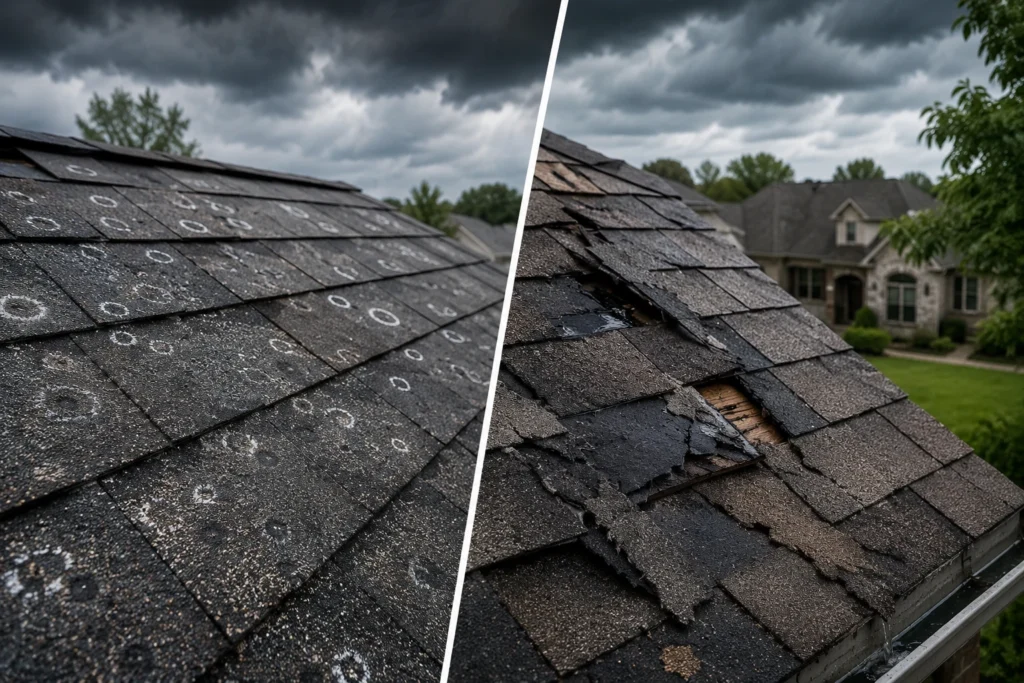
Texas experiences some of the country’s most severe hailstorms, and North Texas communities often see multiple damaging weather events throughout the year. Local professionals understand how regional weather patterns affect different roofing systems and recognize the types of damage commonly seen after these storms. For homeowners in Euless, choosing someone familiar with local construction methods, roofing products, and regional weather conditions can lead to a more accurate assessment. They understand how hailstorms typically impact homes in the area and can distinguish between recent storm damage and long-term weathering. Every roof tells a different story. Local knowledge helps ensure that story is interpreted correctly.
When Should You Contact a Public Adjuster?
Not every insurance claim requires assistance, but there are situations where additional expertise can be extremely valuable.
You may benefit from speaking with a public adjuster if:
- Your claim has been denied.
- The settlement seems lower than expected.
- Significant hail damage appears to have been overlooked.
- Your property has multiple damaged buildings.
- The claim involves commercial structures.
- Repairs are especially complex.
- You disagree with the insurance company’s damage assessment.
Public adjusters work on behalf of policyholders, reviewing documentation, evaluating the loss, and helping ensure that the claim accurately reflects the damage sustained.
Preventing Future Hail Damage
Although no roofing system can completely eliminate hail damage, homeowners can reduce future risk by investing in regular maintenance and durable materials.
Helpful preventive measures include:
- Schedule annual roof inspections.
- Replace damaged shingles promptly.
- Keep gutters free of debris.
- Repair damaged flashing before leaks develop.
- Trim overhanging tree branches.
- Consider installing impact-resistant roofing materials during your next replacement.
- Photograph your roof each year to establish a maintenance history.
Preventive maintenance not only protects your roof but also provides valuable documentation if future storms occur.
Looking Beyond Surface Damage
Evaluating hail damage requires understanding how roofing systems function as complete assemblies rather than individual components. A small impact in one area may influence nearby materials, drainage performance, or long-term durability in ways that aren’t immediately obvious. This concept is similar to synergetics, which examines how interconnected systems behave as unified wholes rather than isolated parts. Taking a broader view helps explain why professional inspections often uncover problems that aren’t visible during a casual visual check.
Final Thoughts
Understanding cosmetic vs functional hail damage is one of the most valuable things a homeowner can do after a severe storm. While cosmetic damage primarily affects appearance, functional damage can reduce your roof’s ability to protect your home from future weather events. Knowing the difference allows you to make informed decisions about inspections, repairs, and insurance claims.
Throughout this guide, we’ve explored how cosmetic vs functional hail damage affects insurance evaluations, why proper documentation matters, how different roofing materials respond to hail, and when it makes sense to seek professional assistance. Each of these factors plays an important role in protecting both your home and your financial investment.
If your property has recently experienced a hailstorm, don’t rely solely on what you can see from your driveway. Hidden damage can develop into much larger problems if left untreated. Scheduling a professional inspection allows potential issues to be identified early, helping you address concerns before they become costly repairs.
For homeowners in Euless, acting promptly after a significant hailstorm can preserve valuable evidence, simplify the inspection process, and provide greater confidence when making decisions about your property. Whether the damage turns out to be cosmetic, functional, or somewhere in between, understanding cosmetic vs functional hail damage puts you in a much stronger position to protect your home for years to come.
FAQs
Cosmetic hail damage affects the appearance of your roof, while functional hail damage impacts its ability to protect your home from the elements.
It depends on your policy. Some insurance policies exclude cosmetic hail damage, especially on metal roofs.
Signs include cracked shingles, exposed asphalt, damaged flashing, leaks, or other issues that reduce your roof’s performance. A professional inspection is the best way to confirm.
If you’re unsure whether the damage is cosmetic or functional, schedule a professional inspection before filing a claim.
Yes. Minor surface damage can worsen with weather exposure, eventually leading to leaks or premature roof deterioration.
Inspect your property as soon as it’s safe, and arrange for a professional roof inspection within a few days of the storm.
Impact-resistant shingles, metal roofing, and certain tile products generally provide better resistance to hail than standard roofing materials.
Yes. Even cosmetic damage can affect curb appeal and may raise concerns for potential buyers during a home inspection.
Photos, inspection reports, and weather records help support your insurance claim and establish the extent of the storm damage.
Consider contacting a public adjuster if your claim is denied, underpaid, or involves extensive or disputed hail damage.