
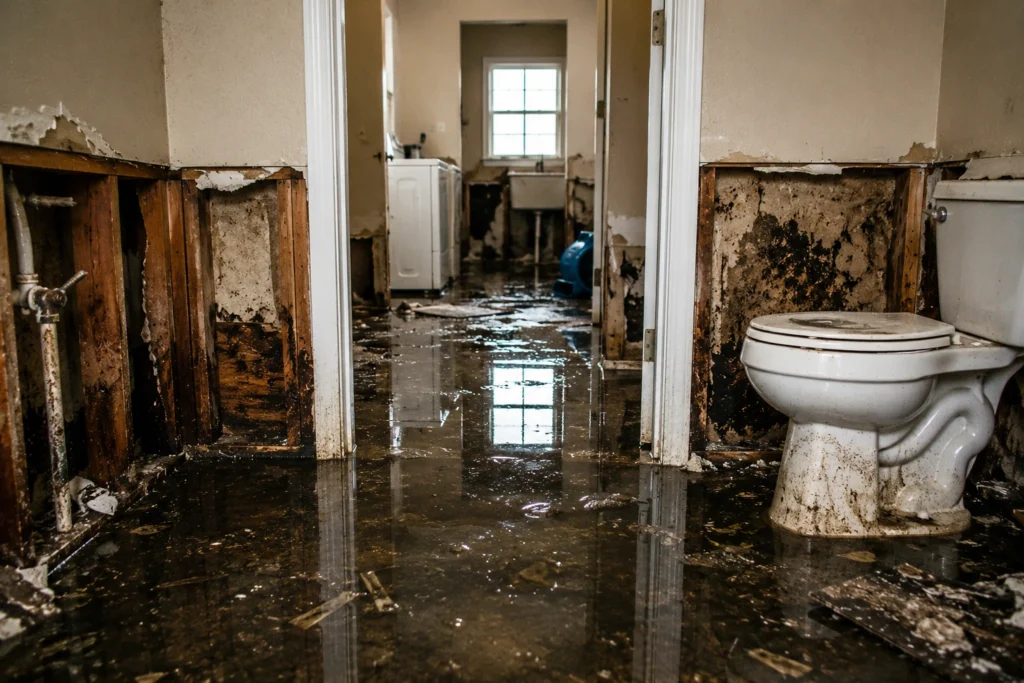
Water damage is never convenient, but Category 3 Water Damage Insurance claims can be especially overwhelming. Unlike a burst pipe that releases clean water, Category 3 water contains harmful contaminants that may pose serious health risks and require extensive restoration. The cleanup process is more involved, repair costs are often significantly higher, and insurance claims can quickly become complicated if the damage is not properly documented. Understanding how these claims work before making important decisions can help homeowners protect both their property and their financial interests.
When contaminated water enters a home, every minute matters. Acting quickly can reduce additional structural damage, minimize the spread of contaminants, and improve the chances of a smoother insurance claim. At the same time, rushing into repairs without documenting the damage or reviewing your insurance policy can create unnecessary challenges later. A thoughtful approach often leads to better outcomes.
Insurance policies are detailed legal contracts, and understanding them is not always easy. The science behind contamination is equally complex. Similar to the field of <a href=”https://en.wikipedia.org/wiki/Microbiology” target=”_blank” rel=”noopener noreferrer”>Microbiology</a>, which studies microorganisms that can affect human health, Category 3 water damage involves contaminants that are often invisible to the naked eye but capable of causing significant harm. This is why restoration standards for contaminated water are much stricter than those used for ordinary water leaks.
Whether the damage resulted from a sewage backup, contaminated floodwater, or another unexpected event, knowing how insurance companies evaluate these losses can help you make informed decisions from the very beginning. Homeowners in Euless who understand their rights and responsibilities before filing a claim are often better prepared to navigate what can become a stressful process. This guide explains what Category 3 water damage is, when homeowners insurance may provide coverage, what insurance companies look for during inspections, and the practical steps you can take to maximize your claim while protecting your home.
What Is Category 3 Water Damage?
Not all water damage is created equal. The restoration industry classifies water losses into three categories based on the level of contamination rather than the amount of water involved. Category 3 water represents the highest contamination level and requires the greatest level of caution during cleanup and restoration. Often referred to as black water, Category 3 water contains harmful substances that may include bacteria, viruses, fungi, parasites, sewage, chemicals, and other contaminants capable of causing illness through direct contact or prolonged exposure.
Unlike clean water from a broken supply line, contaminated water cannot simply be dried out and forgotten. Many building materials absorb these contaminants, making complete replacement the safest and most effective solution. Professional restoration companies follow strict industry guidelines when handling Category 3 losses because protecting the health of occupants is just as important as repairing the structure itself.
Common Sources of Category 3 Water
Several situations can introduce Category 3 water into a home, including:
- Sewage backups from municipal sewer systems
- Toilet overflows containing human waste
- River flooding
- Storm surge
- Contaminated groundwater
- Overflowing septic systems
- Standing floodwater exposed to bacteria
- Category 2 water left untreated for an extended period
One important point that many homeowners overlook is that water categories can change over time. For example, water from a washing machine discharge may initially qualify as Category 2. However, if it remains trapped inside walls or beneath flooring for several days, bacterial growth may elevate it to Category 3, requiring much more extensive remediation. This is one reason why immediate mitigation is strongly recommended after any significant water loss.
Understanding the Difference Between Category 1, 2, and 3 Water Damage
Insurance companies, restoration contractors, and adjusters classify water damage into three categories because each presents different risks and restoration requirements. The distinction affects everything from demolition procedures to insurance estimates.
| Water Category | Contamination Level | Common Source | Health Risk |
| Category 1 | Clean Water | Burst supply pipe | Low |
| Category 2 | Gray Water | Dishwasher discharge, washing machine overflow | Moderate |
| Category 3 | Black Water | Sewage backup, floodwater, septic overflow | Severe |
At first glance, two homes may appear to have nearly identical water damage. One may only require drying equipment and minor repairs. The other may require complete removal of drywall, insulation, flooring, cabinetry, and affected personal belongings due to contamination. That difference can add thousands of dollars to the overall cost of restoration, making accurate classification essential throughout the insurance claim process.
Why Category 3 Water Damage Is So Dangerous
Water itself is not always the biggest threat. The real concern lies in the contaminants carried by the water. Category 3 water may contain disease-causing microorganisms, harmful chemicals, pesticides, petroleum products, and waste materials capable of creating serious health hazards inside the home. Even after standing water has been removed, contaminants may remain embedded within porous building materials. Ignoring contamination simply because surfaces appear dry can create long-term problems.
Health Hazards
Exposure to Category 3 water may increase the risk of:
- Bacterial infections
- Viral illnesses
- Parasitic infections
- Respiratory irritation
- Skin infections
- Allergic reactions
- Mold-related health concerns
Young children, elderly individuals, and people with weakened immune systems often face greater risks following exposure. For that reason, restoration professionals frequently recommend limiting access to contaminated areas until proper cleanup has been completed.
Structural Risks
The structure itself also suffers significant damage during a Category 3 water event.
Contaminated water can penetrate:
- Drywall
- Insulation
- Hardwood flooring
- Laminate flooring
- Cabinets
- Subfloors
- Structural framing
Moisture that becomes trapped inside walls or beneath flooring can continue damaging the home long after the visible water disappears. Without professional drying equipment, hidden moisture frequently contributes to wood deterioration, corrosion, odors, and mold growth.
Does Homeowners Insurance Cover Category 3 Water Damage?
This is often the first question homeowners ask after discovering contaminated water. The answer depends on several factors. Contrary to popular belief, insurance companies generally do not determine coverage based solely on whether the water is classified as Category 3. Instead, they focus primarily on what caused the water damage in the first place.
Coverage is commonly influenced by:
- The cause of the water loss
- Policy language
- Coverage endorsements
- Policy exclusions
- Deductibles
- Coverage limits
For example, if contaminated water enters the home because a plumbing system unexpectedly fails, portions of the damage may be covered under a standard homeowners policy. On the other hand, if rising floodwater enters from outside the home, standard homeowners insurance often excludes that type of loss unless separate flood insurance is in place. Understanding this distinction helps homeowners avoid making assumptions before the insurance investigation begins. Another important consideration is that insurance companies carefully evaluate whether the event was sudden and accidental. This phrase appears frequently in homeowners policies because it helps distinguish unexpected incidents from damage that develops gradually over weeks or months.
A burst pipe that unexpectedly floods a home is generally treated much differently than a slow plumbing leak that remained unrepaired for an extended period. Because every policy contains unique terms and limitations, reviewing the policy before agreeing to repair estimates or settlement offers can help homeowners better understand what their Category 3 Water Damage Insurance claim may include and where questions may arise during the adjustment process.
Water Damage That Is Commonly Covered
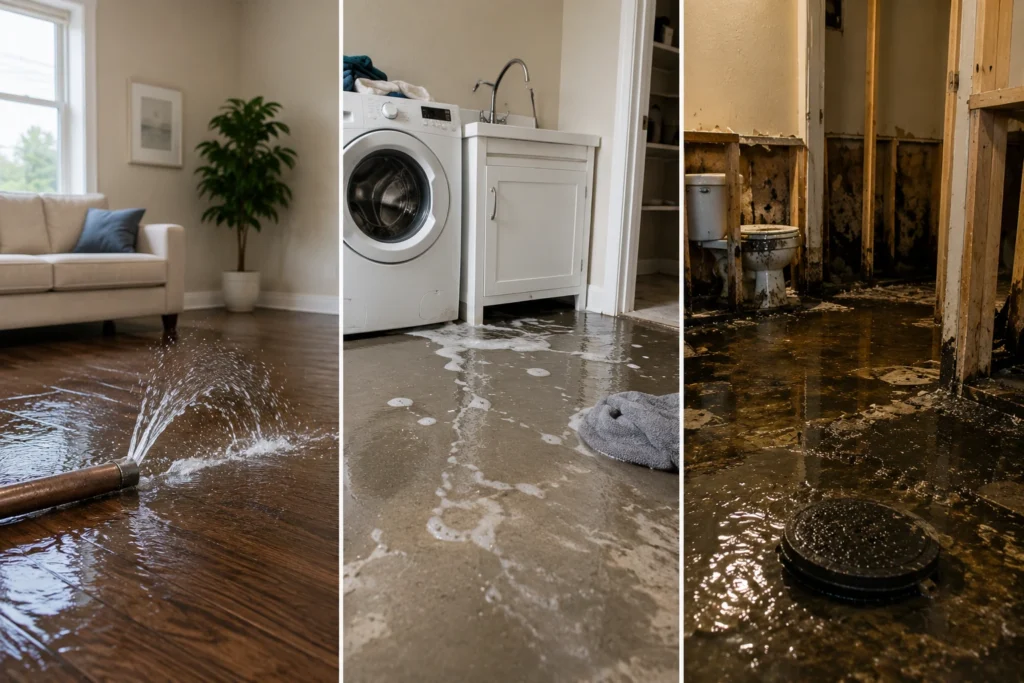
Many homeowners assume that every water loss is automatically covered by insurance. Unfortunately, that is not how most policies work. Coverage generally depends on the cause of the damage rather than the amount of water involved or how severe the contamination becomes. When a covered event results in contaminated water entering the home, Category 3 Water Damage Insurance may help pay for emergency mitigation, structural repairs, and other covered losses, subject to the policy’s limits and conditions.
Some of the most common covered events include:
- Burst plumbing pipes
- Sudden water heater failures
- Broken supply lines
- Appliance malfunctions
- Accidental plumbing overflows
- Ice maker line failures
- Unexpected failures within the home’s plumbing system
One phrase appears repeatedly throughout homeowners insurance policies: sudden and accidental. Insurance companies generally use this language to distinguish unexpected events from problems that developed gradually over time. If a pipe suddenly bursts behind a wall and releases contaminated water throughout the home, coverage is often evaluated differently than damage caused by a slow leak that existed for months without being repaired. The distinction may seem small, but it can have a significant impact on the outcome of your claim.
Water Damage That May Not Be Covered
Just as important as knowing what is covered is understanding what may fall outside the policy. Many homeowners are surprised to discover that two homes with nearly identical damage may receive very different claim decisions because the underlying causes are different.
Common policy exclusions often include:
- Floodwater entering from outside the structure
- Groundwater seepage
- Long-term plumbing leaks
- Poor maintenance
- Roof leaks caused by neglect
- Foundation water intrusion
- Sewer backups without the proper endorsement
- Repeated water intrusion that was never repaired
For example, heavy rainfall may overwhelm drainage systems and allow contaminated water to enter through doors, windows, or foundation cracks. Although the cleanup requirements are similar to other Category 3 losses, standard homeowners insurance frequently excludes flood-related damage unless a separate flood insurance policy applies.
Likewise, insurance companies often investigate whether gradual plumbing leaks could reasonably have been discovered earlier. If evidence suggests the damage developed over an extended period because maintenance was ignored, portions of the claim may be denied. Routine home maintenance remains one of the simplest ways to reduce both property damage and potential coverage disputes.
What Insurance Typically Pays For
When coverage applies, a homeowners insurance policy often extends well beyond simply removing standing water. Restoration involves several phases, each contributing to the safe recovery of the property.
| Possible Coverage | Examples |
| Emergency water extraction | Pumping contaminated water |
| Structural drying | Air movers and dehumidifiers |
| Demolition | Removing damaged drywall and flooring |
| Sanitization | Cleaning contaminated surfaces |
| Mold remediation (when covered) | Treating mold resulting from a covered loss |
| Structural repairs | Walls, flooring, ceilings, framing |
| Personal property | Furniture, clothing, electronics |
| Additional Living Expenses | Hotels, meals, temporary housing |
Coverage varies from one policy to another, and every claim is evaluated individually. Homeowners also have responsibilities after a loss. Most policies require reasonable efforts to prevent additional damage once it is safe to do so. That may include shutting off the water source, arranging emergency mitigation, and protecting undamaged belongings from further exposure. Taking these steps not only helps preserve the property but also demonstrates cooperation throughout the claims process.
The Insurance Claim Process for Category 3 Water Damage
Filing a Category 3 Water Damage Insurance claim can feel overwhelming, especially when your home has sustained extensive contamination. Breaking the process into manageable steps helps homeowners stay organized while protecting their interests.
Step 1: Stop the Water Source
If it is safe to do so, stop the source of the water immediately. Shut off the home’s main water supply if a plumbing failure is responsible. Never enter standing water if electrical hazards may exist. When contamination creates unsafe conditions, wait for qualified professionals before entering the affected area.
Step 2: Begin Emergency Mitigation
Professional restoration companies specialize in removing contaminated water and beginning the drying process.
Emergency mitigation typically includes:
- Water extraction
- Moisture mapping
- Temporary containment
- Drying equipment installation
- Initial sanitation procedures
Quick mitigation helps reduce additional structural damage and may also limit mold growth.
Step 3: Notify Your Insurance Company
Contact your insurance company as soon as reasonably possible.
When reporting the claim, be prepared to provide:
- Date and time of loss
- Cause of the damage
- Areas affected
- Emergency actions already taken
- Contact information
Record the claim number along with the names of everyone you speak with during the process. These records often become valuable later.
Step 4: Document Everything
Documentation is one of the strongest tools available during any insurance claim.
Before major demolition begins, photograph:
- Every affected room
- Floors
- Walls
- Ceilings
- Cabinets
- Appliances
- Furniture
- Electronics
- Personal belongings
Start with wide-angle photos to capture the overall condition of each room. Then move closer to document individual items and visible damage. Videos can also provide helpful context by showing the relationship between damaged areas. The more complete your documentation, the easier it becomes to demonstrate the extent of the loss.
Step 5: Meet With the Insurance Adjuster
After the claim has been assigned, an insurance adjuster will schedule an inspection.
During the visit:
- Walk through every damaged area.
- Ask questions.
- Take notes.
- Share photographs.
- Point out hidden damage.
- Discuss emergency mitigation already completed.
Do not assume every damaged material will automatically appear in the adjuster’s estimate. Carefully review the written estimate once it becomes available.
Step 6: Compare Repair Estimates
Insurance estimates and contractor estimates are not always identical.
Differences may involve:
- Material quantities
- Labor rates
- Drying procedures
- Demolition requirements
- Replacement materials
- Finish quality
When significant differences exist, additional documentation or supplemental estimates may help clarify the scope of repairs.
Step 7: Monitor the Property During Repairs
Water damage claims often continue evolving after demolition begins. Additional damage sometimes becomes visible only after walls, flooring, or insulation have been removed.
Examples include:
- Hidden mold
- Saturated framing
- Wet insulation
- Damaged subfloors
- Electrical concerns
If new damage appears directly related to the original loss, notify the insurance company promptly so it can be evaluated before reconstruction continues.
Why Category 3 Water Damage Claims Often Become Complicated
Many homeowners expect insurance claims to follow a straightforward process. Unfortunately, contaminated water losses rarely do. Several factors contribute to the complexity.
Hidden Moisture
Water travels much farther than most people realize. Moisture can migrate behind drywall, beneath flooring, inside insulation, and into structural framing. Restoration professionals often rely on moisture meters and thermal imaging cameras to locate areas that are not immediately visible. If hidden moisture remains untreated, additional structural damage may continue long after the obvious water has been removed.
Contamination Standards
One of the biggest differences between clean water and Category 3 water is the level of restoration required. Many porous materials including drywall, insulation, carpet padding, upholstered furniture, and ceiling tiles cannot be fully disinfected after exposure to contaminated water. As a result, complete removal and replacement are often recommended rather than cleaning alone.
Scope of Repairs
Insurance companies and contractors sometimes disagree about how much material must be removed.
Questions commonly arise regarding:
- How much drywall requires replacement
- Whether cabinetry can be salvaged
- The condition of hardwood flooring
- Drying procedures
- Sanitization requirements
- Structural framing
Even relatively small differences in repair scope can substantially affect the overall value of a Category 3 Water Damage Insurance claim.
Mold Concerns
Mold growth can begin surprisingly quickly when moisture remains trapped inside building materials. Although some homeowners policies provide limited mold coverage when it results directly from a covered water loss, separate limitations often apply. Understanding these limitations before repairs begin can help avoid unexpected surprises later in the claims process.
Depreciation and Valuation
Insurance settlements may include depreciation depending on the policy and the type of property involved. Replacement Cost Value and Actual Cash Value policies calculate payments differently, and understanding these differences helps homeowners better interpret the numbers appearing on their settlement estimates. Reviewing these calculations carefully before accepting payment is always worthwhile.
Mistakes Homeowners Should Avoid
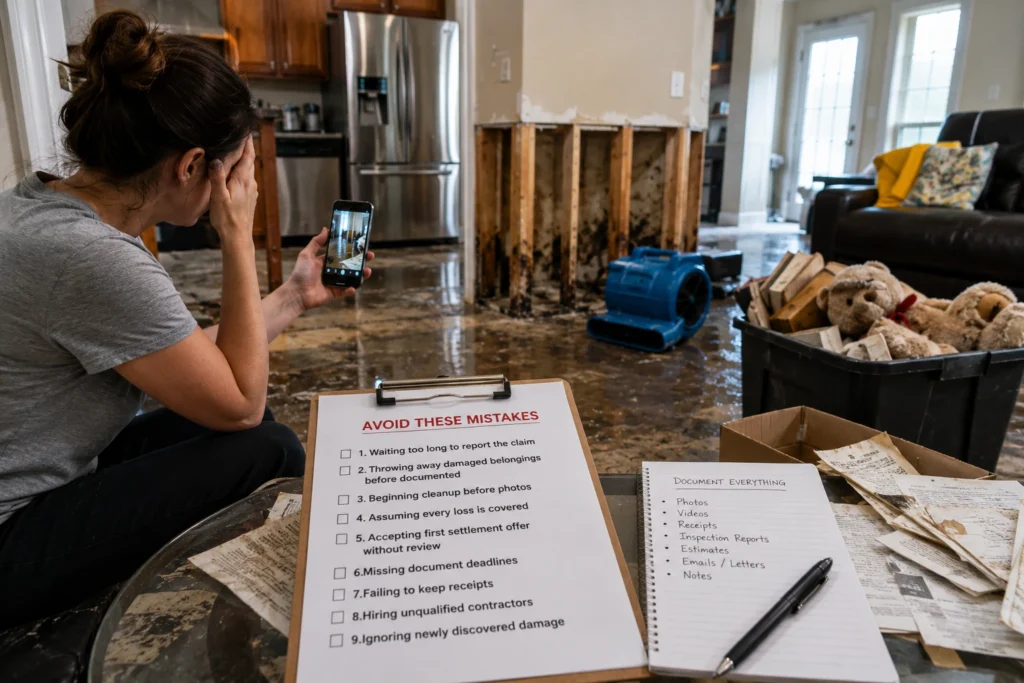
Even when homeowners have a strong insurance policy, simple mistakes made during the first few days after a loss can affect the outcome of the claim. Acting quickly is important, but acting strategically is even better. Every decision should support the goal of documenting the damage accurately while preventing further deterioration.
Some of the most common mistakes include:
- Waiting too long to report the claim
- Throwing away damaged belongings before they are documented
- Beginning extensive cleanup before taking photographs
- Assuming every water loss is automatically covered
- Accepting the first settlement offer without reviewing it carefully
- Missing deadlines for submitting requested documents
- Failing to keep receipts for emergency expenses
- Hiring contractors without verifying their qualifications
- Ignoring newly discovered damage during repairs
One of the biggest mistakes is poor documentation. A homeowner may remember the extent of the damage, but memories are not evidence. Insurance companies rely heavily on photographs, inspection reports, invoices, and written records when evaluating a claim. The more organized your documentation is, the easier it becomes to demonstrate what was damaged and why repairs are necessary.
How to Document Your Claim Properly
Strong documentation can significantly improve a Category 3 Water Damage Insurance claim. It provides a clear timeline of events and helps support repair estimates if questions arise later. Begin documenting the damage as soon as it is safe to enter the affected area.
Your claim file should include:
- Wide-angle photographs of every damaged room
- Close-up photos of individual items
- Videos showing the overall condition of the home
- Moisture readings from mitigation professionals
- Restoration reports
- Drying logs
- Contractor estimates
- Inventory lists for damaged belongings
- Receipts for emergency purchases
- Hotel and meal expenses if you are temporarily displaced
- Emails and letters exchanged with the insurance company
When photographing damage, capture the entire room first before focusing on specific items. This approach helps establish where the damage occurred and provides context that close-up images alone cannot show. Continue documenting the property throughout the restoration process. Additional damage is often discovered after flooring, drywall, or insulation has been removed, and those discoveries may justify supplemental payments under the policy.
How a Public Adjuster Can Help
Many homeowners file only one or two insurance claims during their lifetime. Insurance companies, however, handle claims every day. That difference in experience can sometimes make the process feel intimidating, especially after a major Category 3 water loss. A public adjuster works exclusively for the policyholder rather than the insurance company.
Their responsibilities may include:
- Reviewing insurance policies
- Inspecting damaged property
- Preparing detailed damage estimates
- Documenting overlooked losses
- Organizing supporting evidence
- Communicating with insurance representatives
- Negotiating settlements
- Assisting with supplemental claims
A public adjuster does not perform restoration work. Instead, they focus on ensuring the insurance claim accurately reflects the damage sustained by the property. For homeowners facing extensive contamination, hidden structural damage, or disagreements regarding repair scope, professional representation may help simplify an otherwise complicated process. Many property owners in Euless choose to seek assistance with complex insurance claims because contaminated water losses often involve technical issues that require detailed documentation and careful policy interpretation.
When You Should Consider Hiring a Public Adjuster
Not every insurance claim requires outside assistance. A relatively small plumbing leak affecting one room may be resolved without significant difficulty. However, larger claims frequently involve challenges that extend beyond basic paperwork.
You may wish to consider professional assistance if:
- Multiple rooms have been affected
- Sewage contamination is involved
- Your insurance claim has been delayed
- The claim has been partially denied
- Repair estimates differ significantly
- Hidden damage continues to appear
- The insurance company’s estimate seems incomplete
- Communication has become difficult
Seeking assistance does not necessarily mean a dispute exists. Instead, it may provide additional clarity while ensuring the scope of repairs reflects the full extent of the damage.
How Restoration Companies Handle Category 3 Water Damage
Once emergency services arrive, restoration professionals follow a structured process designed to remove contamination safely while minimizing additional damage to the property. The first step is a comprehensive inspection. Using moisture meters, thermal imaging cameras, and humidity readings, technicians determine how far the contaminated water has traveled. Water often spreads behind walls, beneath flooring, and into insulation long before visible damage appears.
Containment barriers are then installed to prevent contaminants from spreading into unaffected portions of the home. Industrial pumps and extraction equipment remove standing water as quickly as possible. Speed matters because prolonged exposure allows contaminants to penetrate deeper into building materials while increasing the likelihood of mold growth. After extraction, technicians remove materials that cannot be safely restored. These frequently include drywall, insulation, carpet padding, upholstered furniture, and other porous materials that have absorbed contaminated water.
Drying equipment is strategically positioned throughout the structure. Commercial air movers and dehumidifiers continuously remove moisture while technicians monitor drying progress using specialized instruments. The final phase includes sanitizing exposed structural components, deodorizing affected areas, and verifying that moisture levels have returned to acceptable standards before reconstruction begins. Every stage of this process generates documentation that can support a Category 3 Water Damage Insurance claim.
Understanding Your Insurance Policy Before Filing a Claim
Many homeowners do not read their insurance policy until disaster strikes. Unfortunately, that is often when the language seems most confusing. Understanding several key provisions before making major repair decisions can prevent unnecessary surprises during the claims process. Start by reviewing your deductible. This represents the amount you must pay before insurance coverage begins. Knowing your deductible helps you estimate your financial responsibility before repairs are completed. Next, examine your coverage limits.
Policies typically establish separate limits for:
- Dwelling coverage
- Personal property
- Detached structures
- Additional Living Expenses
- Other covered structures
Understanding these limits provides a clearer picture of what financial protection may be available after a covered loss. It is also important to know whether your policy settles claims using Replacement Cost Value (RCV) or Actual Cash Value (ACV). Replacement Cost generally reimburses the cost of replacing damaged property with comparable new materials, while Actual Cash Value subtracts depreciation based on age and condition.
Review any endorsements attached to the policy as well. Certain types of water damage particularly sewer backups or flood-related losses may require separate endorsements or entirely separate insurance policies. Finally, familiarize yourself with your responsibilities after a loss.
Most insurance policies require homeowners to:
- Report claims promptly
- Protect the property from additional damage
- Cooperate with inspections
- Provide requested documentation
- Maintain records of repair expenses
Meeting these obligations helps keep the claim moving forward while reducing avoidable delays.
Protecting Your Investment Starts With Knowledge
A Category 3 Water Damage Insurance claim involves much more than removing standing water. It requires understanding your insurance policy, documenting every stage of the damage, making informed repair decisions, and communicating effectively throughout the claims process. Every loss is unique. The cause of the water intrusion, the condition of the property, the wording of the insurance policy, and the quality of the documentation all influence how a claim is evaluated. Taking time to understand these factors before accepting repair estimates or settlement offers can help homeowners make more confident decisions.
Insurance companies also evaluate different types of property losses using different methods. For example, How Insurance Companies Evaluate Hail Damage differs significantly from the way they assess contaminated water losses because each type of claim involves different causes, repair standards, and policy provisions. Understanding these distinctions provides valuable perspective when reviewing claim decisions. The best approach combines preparation with prompt action. Stop additional damage when it is safe, document everything thoroughly, maintain organized records, and ask questions whenever policy language or repair recommendations seem unclear.
Homeowners in Euless who take a proactive approach before and during the claims process are often better positioned to pursue a fair settlement while restoring their property safely and efficiently. Although no one wants to experience a major contaminated water loss, knowledge remains one of the most valuable tools available. By understanding how Category 3 Water Damage Insurance works and following a well-organized claims strategy, you can navigate a difficult situation with greater confidence and give yourself the best opportunity for a successful recovery.
FAQs
Category 3 water damage involves highly contaminated water, often called black water, that may contain sewage, bacteria, viruses, or other harmful substances requiring professional cleanup.
It can, depending on the cause of the damage and your policy. Sudden and accidental events are more likely to be covered than flooding or long-term maintenance issues.
Yes. Sewage backups are one of the most common sources of Category 3 water because they contain hazardous contaminants that pose health risks.
It’s not recommended. Due to the contamination involved, professional restoration companies have the proper equipment and procedures to clean and sanitize affected areas safely.
Stop the water source if it’s safe, document the damage with photos and videos, contact your insurance company, and arrange for emergency mitigation as soon as possible.
If your home becomes uninhabitable due to a covered loss, your policy’s Additional Living Expenses (ALE) coverage may help pay for temporary housing and related costs.
These claims often require demolition, sanitization, specialized drying, and replacement of contaminated materials, making repairs significantly more extensive than clean water losses.
Yes. Mold can begin growing within 24 to 48 hours if moisture remains, making prompt mitigation and thorough drying essential.
Consider hiring a public adjuster if your claim involves extensive damage, a partial denial, a low settlement offer, or disagreements over the scope of repairs.
Take detailed photos, keep all receipts and repair estimates, maintain communication records, and report the loss promptly to help support your claim.