
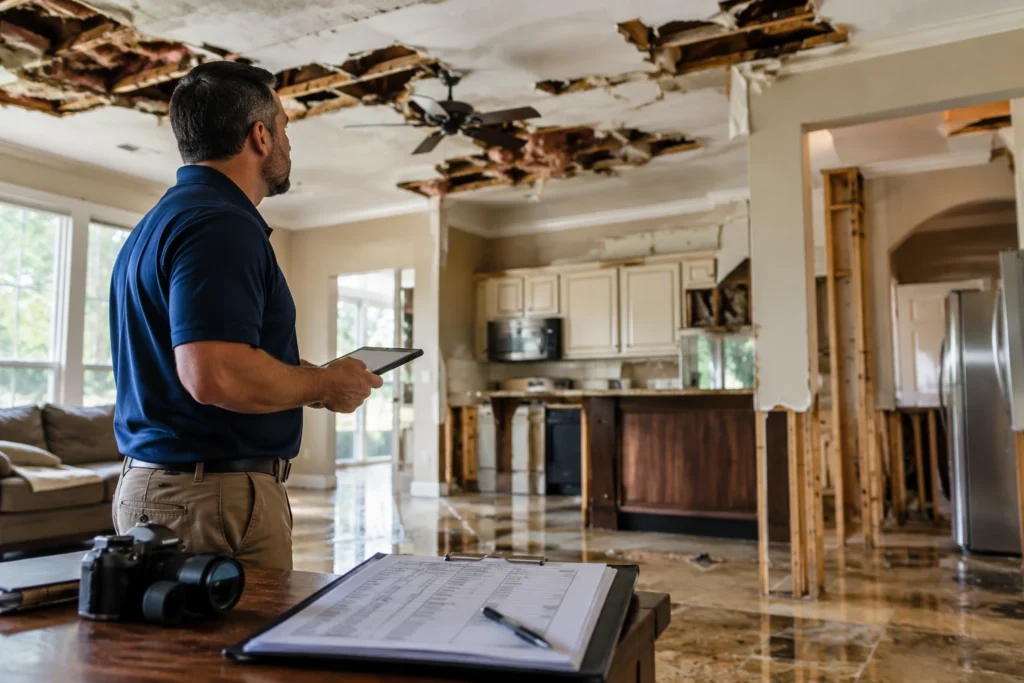
A property insurance claim can seem straightforward at first. A storm damages the roof. A pipe bursts overnight. A fire leaves behind smoke, soot, and structural destruction. You report the loss, expect the insurance company to inspect the property, and assume everything will work itself out. However, that expectation often changes once settlement discussions begin. This is exactly why a public adjuster changes the outcome for many policyholders. The final payment is rarely determined by damage alone. Instead, it is shaped by documentation, policy interpretation, inspections, repair estimates, and skilled negotiation. For many homeowners and business owners in Euless, understanding this reality before accepting an offer can make a significant financial difference.
Insurance companies process thousands of claims every year. Property owners, on the other hand, may only experience one or two major claims during their lifetime. That difference in experience creates an uneven playing field from the very beginning. While most people are focused on protecting their families, arranging temporary housing, or coordinating emergency repairs, insurance professionals are already evaluating policy language, reviewing inspection reports, and calculating settlement figures. The claims process moves quickly, and important opportunities to strengthen a claim can easily be missed.
Think of a complicated insurance claim like solving a difficult Bayesian inference problem. Every new piece of evidence changes the overall picture. Insurance companies evaluate claims by combining photographs, inspection findings, repair estimates, policy provisions, and supporting documentation rather than relying on one single observation. Understanding how those pieces fit together helps explain why a public adjuster changes the outcome for many policyholders. Professional representation is often less about creating new evidence and more about ensuring every existing fact is properly documented and presented.
Many people believe insurance claims revolve around obvious damage. They don’t. The claims process revolves around proof. Visible destruction may begin the conversation, but evidence, organization, and persistence often determine how that conversation ends. That distinction is one of the most overlooked aspects of property insurance claims. Homeowners frequently underestimate just how much information insurers rely upon before calculating a settlement. Imagine two neighboring homes struck by the same hailstorm.
Both roofs sustain nearly identical damage. Both homeowners carry similar insurance policies. One homeowner simply waits for the insurance inspection and accepts the estimate provided. The other gathers photographs, contractor evaluations, repair estimates, moisture readings, maintenance records, and detailed notes documenting every conversation related to the claim. Months later, their settlement amounts may look surprisingly different. The roofs were similar. The documentation was not. That difference illustrates why preparation is often just as valuable as the damage itself.
Insurance Claims Are Not Just About Damage
One of the biggest misconceptions surrounding property insurance involves the relationship between damage and payment. People naturally assume more damage equals more compensation. While that seems logical, insurance claims rarely work that simply. Insurance companies evaluate the entire claim, not merely the visible destruction. Every document, inspection, estimate, photograph, invoice, receipt, and policy provision contributes to the final evaluation. Missing information creates uncertainty, and uncertainty often works against the policyholder.
Consider everything that may influence a settlement:
- The age of the damaged materials
- The cause of the loss
- The condition of the property before the event
- Photographic documentation
- Contractor estimates
- Moisture detection reports
- Building code requirements
- Policy endorsements
- Deductibles
- Depreciation calculations
Each factor tells part of the story. Together, they determine the scope of covered repairs. Many homeowners focus almost entirely on what they can see. Professionals also focus on what cannot be seen. Hidden water intrusion behind drywall, compromised insulation inside attic spaces, damaged flashing beneath roofing materials, weakened framing, smoke contamination inside HVAC systems, and electrical hazards may remain invisible during an initial walkthrough. Yet each can significantly affect repair costs.
This broader perspective is one important reason why a public adjuster changes the outcome during more complicated claims. Professional representation often begins by asking a different question. Instead of asking, “What appears damaged?” The better question becomes: “What evidence exists that supports every covered repair necessary to restore the property?” That subtle shift changes the entire direction of a claim.
Who Really Represents Your Interests?
Few parts of the insurance process create more confusion than the different types of adjusters involved. Many homeowners assume every adjuster represents them. Unfortunately, that isn’t always true. Understanding who works for whom is one of the first steps toward making informed decisions. There are generally three categories of adjusters involved in property insurance claims.
| Professional | Represents | Primary Responsibility |
| Staff Adjuster | Insurance Company | Evaluates claims on behalf of the insurer |
| Independent Adjuster | Insurance Company | Assists insurers during high claim volume |
| Public Adjuster | Policyholder | Documents and negotiates claims for the insured |
Notice something important. Only one professional works exclusively for the policyholder. That distinction affects every phase of the claims process. Insurance company adjusters perform an essential role. They inspect damage, review documentation, evaluate policy provisions, and prepare estimates according to company procedures. Independent adjusters perform many of the same duties but are contracted by insurance carriers rather than employed directly.
Public adjusters serve a completely different purpose. Rather than representing the insurance company’s interests, they advocate solely for the policyholder. Their objective is to ensure covered damages are fully identified, accurately documented, and properly presented during the claims process.
This difference is not about conflict. It is about representation. Just as buyers and sellers often have separate real estate agents, policyholders sometimes choose independent representation during significant insurance claims. Understanding this relationship helps explain why a public adjuster changes the outcome for many property owners.
Why Claim Outcomes Vary So Much
Property owners often compare settlements with neighbors following the same storm. One family receives enough funding to complete repairs. Another struggles with unexpected out-of-pocket expenses. Why? Several variables influence every insurance claim. Some are obvious. Others remain hidden until construction begins.
Common reasons settlements differ include:
- Missed structural damage
- Roofing measurement errors
- Hidden moisture intrusion
- Incomplete repair scopes
- Contractor estimate differences
- Depreciation calculations
- Building code requirements
- Documentation quality
- Policy interpretation
- Supplemental damage discovered later
Even experienced contractors occasionally uncover additional damage after repairs begin. Removing roofing materials may reveal deteriorated decking. Opening drywall may expose mold or hidden plumbing failures. Smoke damage may extend into ventilation systems that appeared unaffected during initial inspections.
Claims frequently evolve as more information becomes available. For that reason, successful claims often require ongoing documentation rather than relying solely on one inspection performed immediately after the loss. Professional claim management recognizes that damage assessment is rarely a one-day event. Instead, it is an evolving process requiring careful observation from beginning to end.
The Hidden Costs of Handling a Claim Alone
Filing an insurance claim without professional assistance is certainly possible. Many homeowners do exactly that. However, they often underestimate the number of decisions involved. Consider everything that happens after a major property loss. Emergency mitigation.
Temporary housing. Contractor meetings. Insurance paperwork. Phone calls. Emails. Inspections. Repair scheduling. Expense tracking. Family responsibilities. Work obligations. Managing all of these responsibilities simultaneously becomes exhausting. Small mistakes become much easier to make.
Some of the most common include:
| Common Homeowner Mistake | Potential Consequence |
| Accepting the initial settlement too quickly | Lower overall recovery |
| Taking limited photographs | Missing evidence |
| Forgetting damaged personal property | Reduced reimbursement |
| Missing claim deadlines | Processing delays |
| Poor recordkeeping | Difficult negotiations |
| Incomplete repair estimates | Additional out-of-pocket costs |
Most of these mistakes happen for understandable reasons. People are overwhelmed. After a disaster, very few homeowners think like insurance professionals. Instead, they think like people trying to restore normal life. That emotional pressure makes organization increasingly difficult. One missing receipt.
One forgotten conversation. One overlooked repair item. Each may seem insignificant individually. Together, they can substantially affect the claim. Professional representation helps reduce these risks by organizing documentation from the very beginning instead of attempting to reconstruct information months later.
How a Public Adjuster Changes the Entire Claims Process
One of the clearest explanations for why a public adjuster changes the outcome is that they approach the claim proactively rather than reactively. Instead of simply reviewing what has already been documented, they begin building the claim from the ground up. Every stage receives careful attention. Every piece of evidence matters. The objective is not simply to submit paperwork. The objective is to create the most accurate and complete presentation of the covered loss.
Comprehensive Damage Investigation
Initial inspections often identify only the obvious damage. Professional investigations go much deeper.
Depending on the type of loss, inspections may include:
- Roofing systems
- Attics
- Crawl spaces
- Exterior siding
- Windows
- Doors
- Structural framing
- Insulation
- Flooring
- Cabinets
- Electrical systems
- Plumbing
- HVAC equipment
- Detached structures
Every component plays a role. A roof leak, for example, rarely affects only shingles. Water follows gravity. It may travel beneath underlayment, soak insulation, stain ceilings, damage framing, and eventually affect flooring several rooms away. Understanding how damage spreads helps create a more complete repair strategy.
Building a Complete Scope of Loss
Once damage has been identified, every necessary repair must be documented. This becomes the foundation of the insurance claim.
A complete scope of loss often includes:
- Demolition
- Debris removal
- Labor costs
- Materials
- Equipment rental
- Roofing accessories
- Flashing
- Underlayment
- Paint
- Drywall
- Flooring
- Electrical repairs
- Plumbing repairs
- Finishing work
- Cleaning
- Code-required upgrades
Small omissions accumulate quickly. Missing flashing today may become a costly change order tomorrow. Accurate scopes reduce surprises later.
Policy Analysis
Insurance policies are lengthy documents. Many exceed one hundred pages when endorsements and amendments are included. Reading them is only the beginning. Understanding how various provisions interact often requires careful attention.
A thorough policy review may examine:
- Covered causes of loss
- Coverage exclusions
- Deductibles
- Replacement cost provisions
- Actual cash value provisions
- Additional living expenses
- Ordinance and law coverage
- Debris removal limits
- Time-sensitive reporting requirements
Knowing which provisions apply before negotiations begin allows policyholders to better understand both their rights and their responsibilities. Without that understanding, important benefits may unintentionally go unused.
Documentation Is Where Claims Are Won or Lost
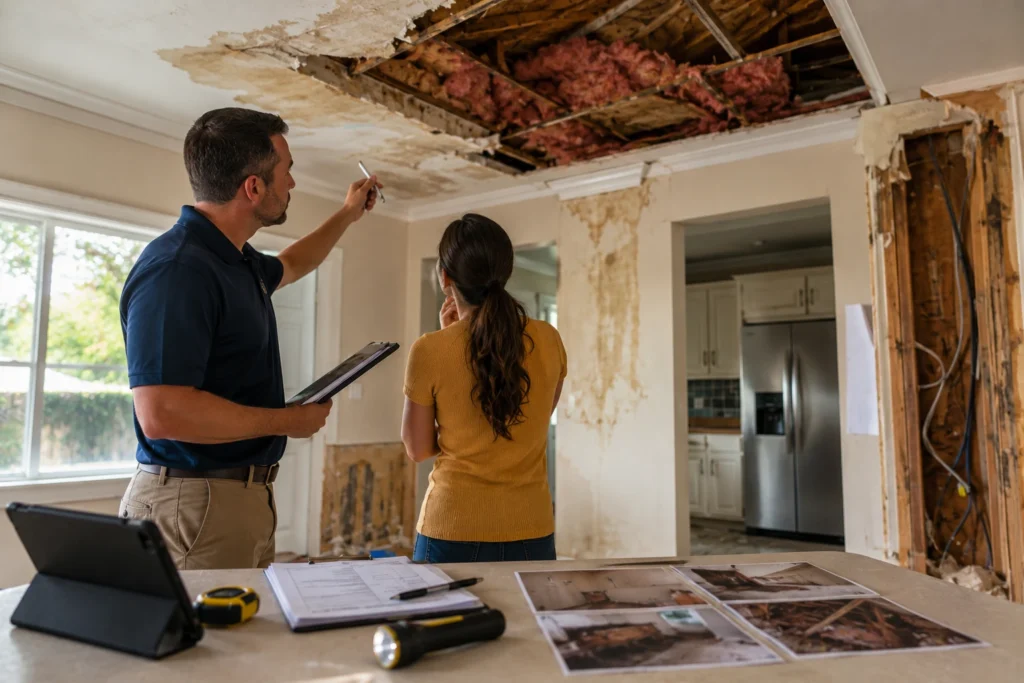
Many insurance claims succeed or struggle based on one factor above all others. Documentation. Not assumptions, opinions, even the severity of the damage itself.
Think about it this way. If you had to prove every repair your property needed to someone who had never visited your home, what evidence would you provide? That is essentially what a well-prepared insurance claim accomplishes. It creates a clear, organized record that supports every covered loss.
Strong documentation often includes:
- High-resolution photographs taken immediately after the loss
- Videos showing each affected room
- Drone imagery for roof inspections
- Moisture meter readings
- Contractor estimates
- Engineering reports when appropriate
- Receipts for emergency repairs
- Hotel and temporary housing expenses
- Personal property inventories
- Maintenance records
- Weather reports when applicable
- Communication logs with insurers and contractors
Each document serves a purpose. Together, they tell a complete story. For example, photographs may show water staining on a ceiling, but moisture readings can demonstrate that water has spread into insulation and framing. Contractor estimates explain the repairs required to restore the property, while invoices help establish actual costs already incurred.
The stronger the documentation, the easier it becomes to justify the requested settlement. That is another reason why a public adjuster changes the outcome. Professional representation focuses on building evidence before disagreements arise rather than scrambling to gather proof afterward.
The Psychology of Insurance Negotiation
Many people picture negotiations as tense conversations across a conference table. Insurance claims usually work differently. Successful negotiations rely far less on emotion and far more on preparation. The most persuasive arguments are supported by facts.
Professional claim negotiations typically involve:
- Organized repair estimates
- Detailed scopes of loss
- Clear photographs
- Independent inspections
- Policy language
- Contractor documentation
- Supplemental evidence when additional damage is discovered
Emotion may explain why a homeowner feels frustrated. Evidence explains why additional compensation is justified. That distinction is important. Negotiators who remain calm, organized, and focused on documentation often communicate more effectively than those relying primarily on emotion.
Professional claim representation also improves consistency. Instead of responding differently with every phone call, discussions remain centered on the same documented facts throughout the claim. That consistency builds credibility over time.
Residential Claims Where Public Adjusters Often Make the Biggest Difference
Residential property losses are rarely simple. A roof leak can affect ceilings, walls, insulation, flooring, cabinets, and even electrical systems. A kitchen fire may create smoke damage throughout an entire home. Burst plumbing pipes often damage multiple rooms simultaneously.
Common residential claims include:
- Hail damage
- Wind damage
- Fire losses
- Smoke contamination
- Water damage
- Frozen pipe failures
- Roof leaks
- Tornado damage
- Appliance failures
- Sewer backups
Many homeowners understandably focus on repairing the obvious damage first. However, experienced claim professionals understand that visible damage often represents only part of the overall loss. Consider hail damage. Missing shingles are easy to identify. Damaged flashing. Compromised roof vents.
Lifted underlayment. Water infiltration around skylights. These issues may not become apparent until a more detailed inspection takes place. Similarly, water damage frequently extends behind walls or beneath flooring where moisture remains trapped long after surfaces appear dry.
Hidden problems left undocumented can later become expensive surprises. Professional inspections are designed to reduce that risk by evaluating the property as a complete system rather than a collection of isolated repairs.
Commercial Claims Become Even More Complex
Commercial insurance claims introduce additional challenges that residential claims often do not. The building itself may represent only one portion of the financial loss. Business interruption. Equipment damage. Inventory losses. Tenant improvements. Lost revenue. Lease obligations. Temporary relocation. Employee safety. The list continues.
A restaurant suffering fire damage, for example, may face weeks or months without normal operations. During that time, business owners continue paying rent, utilities, payroll, and loan obligations while income decreases dramatically. Manufacturing facilities may experience delays affecting production schedules. Office buildings may need temporary workspace. Retail businesses may lose valuable inventory during cleanup. Every one of these factors requires careful documentation. Commercial claims also tend to involve multiple professionals working together.
These may include:
- Contractors
- Engineers
- Accountants
- Restoration specialists
- Environmental consultants
- Architects
- Equipment vendors
Coordinating these moving parts takes planning. It also reinforces why a public adjuster changes the outcome in many large commercial losses where organization becomes just as valuable as negotiation.
When Hiring a Public Adjuster Makes the Most Sense
Not every claim requires professional representation. However, certain situations naturally become more complicated than others.
Hiring a public adjuster often makes sense when:
- Fire causes significant structural damage
- Multiple rooms sustain water damage
- Roof replacement becomes disputed
- The insurance estimate appears incomplete
- Business interruption is involved
- Multiple contractors disagree about repairs
- Supplemental damage continues to appear
- Code upgrades increase reconstruction costs
Large losses typically create more paperwork. More inspections, estimates, questions. Professional representation helps organize those moving pieces before they become overwhelming. Property owners throughout Euless who experience severe storms, extensive water losses, or major fire damage often benefit from obtaining an independent evaluation before finalizing a settlement. Even when everyone acts in good faith, additional inspections sometimes uncover repairs not included during the initial estimate. Recognizing those issues early can significantly improve the recovery process.
Situations Where You May Not Need a Public Adjuster
Balanced guidance matters. There are certainly situations where handling a claim independently may be entirely reasonable.
Examples include:
- Minor cosmetic damage
- Small claims involving limited repairs
- Straightforward appliance replacement
- Claims already paid at policy limits
- Losses with clear documentation and no coverage disputes
Every insurance claim deserves individual evaluation. Seeking professional guidance does not necessarily mean professional representation will always be recommended. Sometimes reassurance is all a homeowner needs. Understanding both possibilities helps build trust and encourages informed decision-making.
What to Look for Before Hiring a Public Adjuster
Choosing representation deserves careful consideration. Not all professionals have the same experience, communication style, or approach. Take time to evaluate several important factors before signing an agreement.
Consider asking about:
- State licensing
- Years of experience
- Similar claim history
- Communication expectations
- Response times
- Fee structure
- References
- Documentation process
- Negotiation strategy
- Availability throughout the claim
A trustworthy professional should explain each step clearly. Questions should be welcomed rather than avoided. Transparency often says as much about professionalism as technical expertise. You should also expect a realistic conversation.
Ethical public adjusters do not promise guaranteed settlement amounts. Instead, they explain the process, discuss potential challenges, and focus on maximizing documented covered damages under the policy. That approach establishes realistic expectations from the beginning.
Questions Every Property Owner Should Ask
Before choosing representation, ask thoughtful questions. The answers often reveal far more than marketing materials ever could.
Helpful questions include:
- Who will personally manage my claim?
- Will you attend every inspection?
- How often will I receive updates?
- What documentation do you prepare?
- How do you calculate your fees?
- Have you handled similar claims?
- How are supplemental claims addressed?
- What happens if hidden damage is discovered later?
- How long does the average claim take?
- What should I expect during negotiations?
These conversations create clarity. They also help establish a productive working relationship throughout the claim.
The Financial Impact of Professional Claim Representation
Insurance claims involve much more than numbers on a settlement letter. They influence rebuilding decisions, financial stability, and recovery timelines. The following comparison illustrates how the claims process often differs.
| Claim Stage | Without Representation | With Professional Representation |
| Inspection | Initial insurer evaluation | Independent review of damages |
| Documentation | Varies by homeowner | Organized supporting evidence |
| Scope Development | Limited by available information | Comprehensive repair analysis |
| Negotiation | Policyholder manages discussions | Professional claim presentation |
| Supplemental Damage | Sometimes overlooked | Continuously evaluated |
| Communication | Individual homeowner | Coordinated documentation and follow-up |
Notice that the difference does not involve exaggerating damage. Instead, it focuses on identifying, documenting, and presenting every covered repair supported by evidence. That process explains why a public adjuster changes the outcome in many complex claims. Preparation creates stronger claims. Organization supports better communication. Documentation strengthens negotiations.
How the Right Representation Protects Your Recovery
Property damage disrupts far more than buildings. It interrupts routines. Creates uncertainty. Delays business operations. Displaces families. Adds financial pressure. Professional representation cannot erase those challenges. However, it can help reduce unnecessary stress by managing many of the administrative responsibilities associated with an insurance claim.
Instead of constantly organizing paperwork, responding to requests, scheduling inspections, and reviewing estimates, homeowners often gain more time to focus on repairs and returning life to normal. That peace of mind has value. Insurance claims should ultimately help restore what was lost, not create additional obstacles during recovery.
Before accepting a settlement, it is worth taking the time to understand every available option. Whether you decide to handle the claim independently or seek professional assistance, informed decisions generally produce stronger results. For anyone researching The Smart Homeowner’s Guide to Finding a Public Adjuster Who Actually Works for You, the most important takeaway is to choose someone who communicates clearly, documents thoroughly, explains the process honestly, and represents only your interests throughout the claim.
Final Thoughts
Understanding why a public adjuster changes the outcome begins with recognizing that insurance claims involve much more than visible damage. Every inspection, photograph, repair estimate, policy provision, and conversation contributes to the final settlement. When documentation is incomplete or important repairs are overlooked, the financial impact can be significant.
Professional representation does not change the facts of a loss. Instead, it changes how those facts are investigated, documented, organized, and presented. That distinction often makes the difference between an incomplete claim and one that fully reflects the covered damage. For property owners in Euless, taking the time to understand the claims process before making important decisions can help protect both the property and the financial recovery that follows. Whether the damage results from fire, hail, wind, water, or another covered event, careful preparation remains one of the most effective tools available. A well-documented claim supported by clear evidence and thoughtful negotiation gives policyholders the strongest opportunity to recover, rebuild, and move forward with confidence.
FAQs
A public adjuster represents the policyholder by documenting property damage, interpreting insurance policies, and negotiating covered claims with the insurance company.
It’s often beneficial to hire a public adjuster after significant property damage, especially if the claim is complex, underpaid, or disputed.
A public adjuster changes the outcome by preparing thorough documentation, identifying all covered damages, and negotiating based on policy provisions and supporting evidence.
Yes. A public adjuster can often review an existing claim, identify overlooked damages, and assist with supplemental or underpaid claims when appropriate.
Yes. Public adjusters assist with both residential and commercial property claims, including fire, water, wind, hail, and storm damage.
No. No one can guarantee a specific settlement amount, but thorough documentation and professional claim management may improve the accuracy of a covered claim.
They frequently handle claims involving hail, wind, fire, smoke, water damage, burst pipes, roof damage, and other covered property losses.
An insurance company adjuster represents the insurer, while a public adjuster works exclusively on behalf of the policyholder.
Yes. They can review the claim, analyze supporting documentation, and determine whether additional covered damages or policy benefits may have been overlooked.
Look for proper licensing, relevant experience, transparent communication, a clear fee structure, and a strong history of handling similar insurance claims.